Search
Knowledge Center
Which Miniature Circuit Breaker Type A, B, C, or D Fits Your Load?
Choose the right MCB Type A B C D for your load. Learn trip curves, residential & industrial applications, and how to select Type B/C/D miniature circuit breakers correctly.
 April 09, 2026
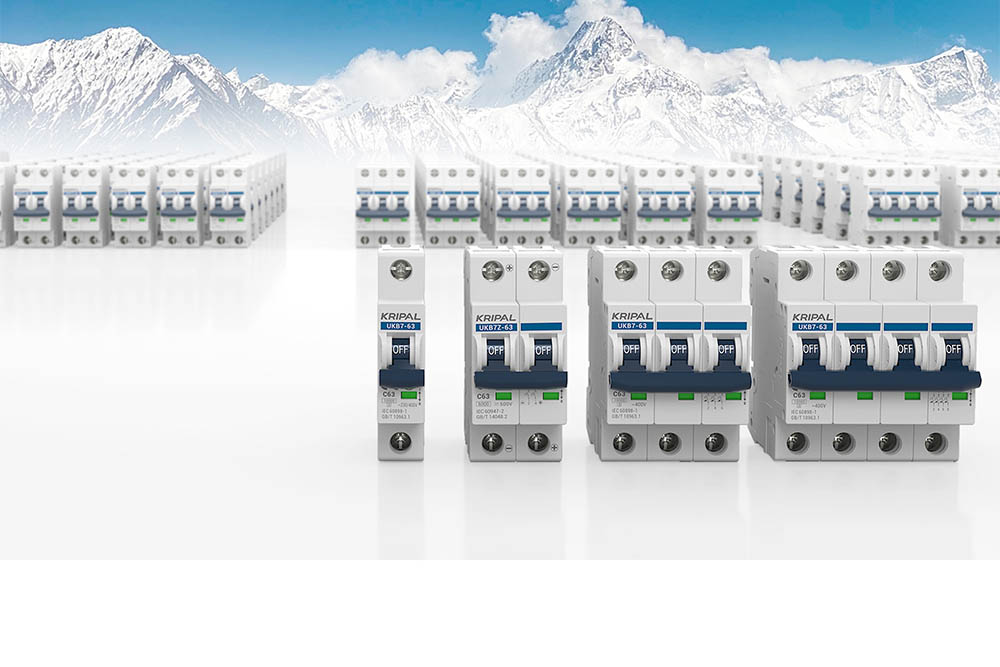
Miniature circuit breakers (MCB) provide overcurrent protection in electrical systems by automatically cutting off the circuit when overload or short circuit occurs. Each type reacts differently to surge and starting currents. Correct selection reduces unwanted trips, extends equipment lifespan, and increases system reliability.
This article presents the characteristics of A, B, C, D types, explains how to match them with different loads, highlights common mistakes, and answers frequent questions.
Key Takeaways
- Type A protects sensitive electronic circuits
- Type B fits most residential loads
- Type C handles moderate surge currents from motors and pumps
- Type D manages high surge currents in industrial equipment
Consider load type, starting current, operating environment, and standards to avoid unnecessary trips and ensure circuit protection
Basic Function of Miniature Circuit Breakers
MCB operates through electromagnetic and thermal mechanisms that detect overcurrent and disconnect the circuit when the current rises above a set limit. The thermal component reacts to prolonged overload, while the electromagnetic component responds instantly to short circuits.
Unlike fuses, MCB can be reset manually after activation without replacing any components, allowing the circuit to resume operation quickly. These devices are installed in residential, commercial, and industrial systems to reduce the risk of damage to wiring and connected equipment.
They help prevent overheating, circuit damage, and potential fire hazards caused by sustained overcurrent or sudden short circuits. In addition, MCBs provide a clear visual indication of the tripped state, which allows operators to identify fault locations and restore the system efficiently.
Trip Characteristics and Selection Principles
Trip curves show how a miniature circuit breaker responds to overcurrent conditions over time. They describe both the speed of reaction and the current level required to trigger disconnection. Selecting a curve that matches the load ensures protection while avoiding unnecessary interruptions caused by normal surge or starting currents.
- Instantaneous trips: Approximately 0.02 seconds, activate immediately during short circuits to prevent damage to wiring and connected equipment.
- Short delay trips: Activate within 0.1–0.4 seconds, suitable for brief overloads or transient surge currents, such as motor startup spikes.
- Long delay trips: Activate within up to 10 seconds, allowing circuits to tolerate temporary overloads without unnecessary interruption while still preventing sustained overcurrent from causing harm.
The trip speed and activation threshold differ for each type of breaker, influencing how it performs under different loads. Properly matching the trip curve with the load characteristics, including resistive or inductive behavior, starting current levels, and potential surge currents, helps maintain stable operation and reduces the likelihood of false trips.
MCB Types and Applications
Miniature circuit breakers are categorized into different types based on their trip characteristics, which determine how they respond to overcurrent conditions. Understanding the differences between these types helps match the breaker to the specific electrical load, ensuring protection without unnecessary interruptions. The following section describes each type in detail and highlights its typical applications.
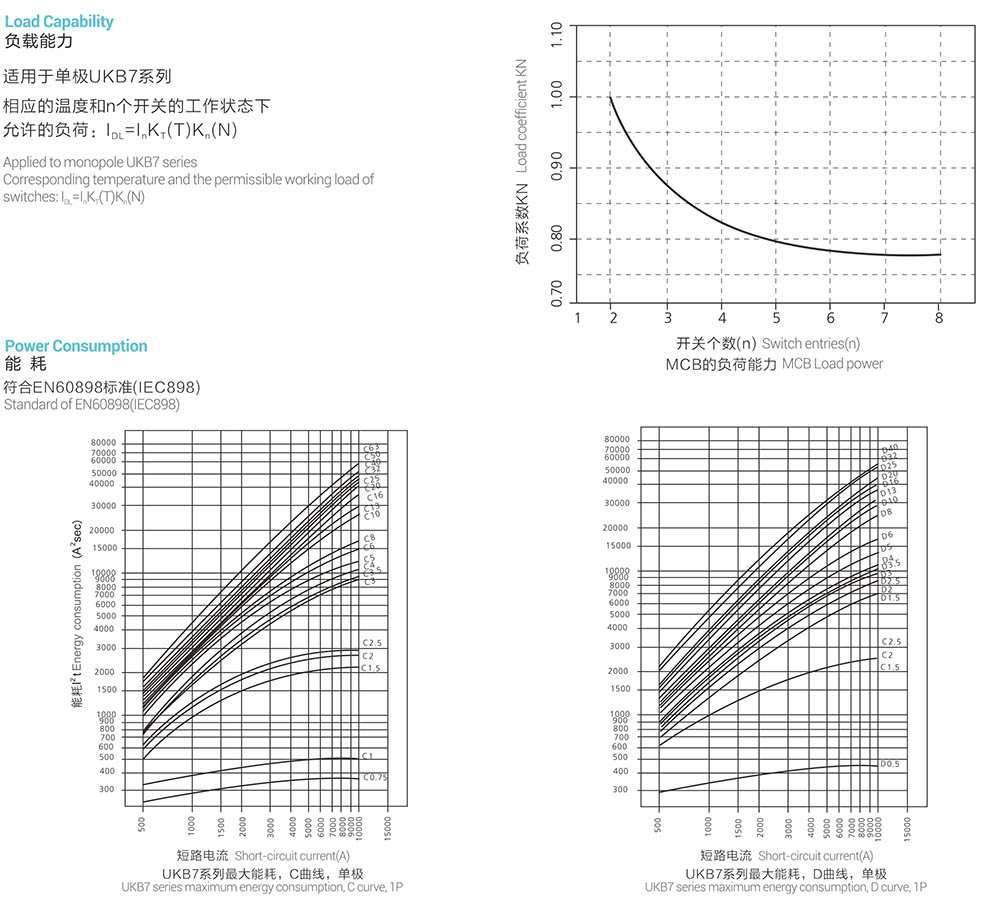
Type A
Type A breakers activate at approximately 2 to 3 times their rated current. They are used for sensitive electronic circuits and circuits with low inrush currents, such as semiconductor devices or precision measurement equipment. Their high sensitivity allows them to prevent overcurrent damage in delicate equipment.
However, small current surges may trigger a trip, so they are not commonly applied in general household circuits. Type A is typically reserved for specialized applications where protecting sensitive components is a priority.
Type B
Type B breakers respond at 3 to 5 times the rated current. This type is commonly installed in household lighting circuits, wall sockets, and other small resistive loads.
Type B provides a reliable response to ordinary electrical currents, protecting everyday residential devices while minimizing unnecessary trips caused by minor fluctuations or small appliance start ups. For most domestic applications, Type B is the standard choice.
Type C
Type C breakers activate at 5 to 10 times the rated current. They are suitable for circuits that experience moderate surge currents, such as motors, fans, and pumps.
Type C can tolerate short term inrush without tripping unnecessarily, making it effective for both larger residential appliances and commercial circuits with moderate inductive loads. This type balances protection with operational continuity.
Type D
Type D breakers activate at 10 to 20 times the rated current. They are used in heavy duty industrial circuits, including large motors, transformers, welders, and other equipment with significant startup currents.
Type D tolerates high inrush currents and rarely interrupts normal operation, which ensures stable protection in industrial environments where large surges are expected.
MCB Trip Curve Selection Guide: Types A, B, C, & D
Technical Specifications for Project Engineers and Wholesalers
| Trip Type | Magnetic Trip Threshold | Response Profile | Ideal Load Applications | Best For (Target Sector) |
| Type A | 2 – 3 x In | Ultra-Sensitive: Rapidly protects delicate semiconductors. | Precision instruments, measurement labs, micro-electronics. | Medical, Lab Tech, Data Centers. |
| Type B | 3 – 5 x In | Residential Standard: Trips at low overcurrent levels. | Lighting circuits, wall sockets, heaters, resistive loads. | Residential & Light Commercial. |
| Type C | 5 – 10 x In | Commercial/Inductive: Handles moderate inrush current. | Fans, pumps, small motors, LED drivers, HVAC units. | Commercial Buildings & Small Workshops. |
| Type D | 10 – 20 x In | Industrial/Heavy Duty: High tolerance for startup surges. | Large motors, transformers, X-ray machines, welding units. | Heavy Industry & Infrastructure. |
Choosing MCB Based on Load
Selecting the appropriate MCB requires understanding the characteristics of the connected load and the conditions under which it operates. Proper matching ensures the circuit receives protection without frequent unnecessary trips, while maintaining smooth operation.
The following aspects provide guidance for choosing the right type based on load behavior, starting currents, environment, and compliance with standards.
Identify Load Characteristics
The type of electrical load significantly affects breaker selection. Resistive loads, such as lights and heaters, draw stable current and perform well with Type B breakers. Inductive loads, including motors and pumps, generate high starting currents and require breakers that can tolerate inrush without tripping unnecessarily, making Type C or D more suitable.
Evaluate Starting Current
The magnitude of the starting or surge current further influences breaker choice. Circuits that experience surges approaching ten times the rated current indicate the need for Type D breakers, while circuits with moderate surges are better served by Type C. Evaluating the starting current ensures protection without interrupting normal operation.
Consider Environment
Environmental factors can impact breaker performance. High temperatures, dust, and vibration may affect reliability, so selecting breakers with an appropriate protection rating and robust construction helps maintain consistent operation under challenging conditions.
Follow Standards
Breakers should comply with relevant standards, such as IEC and UL, to confirm safe operation. Check that the rated current, voltage, and short circuit breaking capacity match the system requirements. Adhering to these standards provides predictable performance and reduces risk of equipment damage.
Common Selection Mistakes
One frequent mistake is using Type D breakers in ordinary residential circuits, which can delay response and reduce protection efficiency. Another common error occurs when starting currents are overlooked, causing frequent trips or insufficient protection for motors and appliances.
Selecting breakers with rated currents that do not match the system can also lead to unwanted trips or failure to protect connected devices. For homeowners and businesses looking to simplify the selection process and ensure reliable protection, products available at Kripal provide a wide range of MCB options with clear specifications for each type.
This allows you to choose the correct breaker for your specific load, environment, and operational requirements, helping prevent common mistakes while maintaining system safety. If you have any questions about MCB selection or protection solutions, our technical team is always ready to assist you.
FAQ on MCB Selection and Use
Q1: Why does the same load behave differently with different breaker types?
A1: Trip curves vary, affecting response speed and current threshold. Type B reacts at moderate overloads, Type C tolerates medium surge, Type D responds to high inrush currents. Choosing incorrectly can cause frequent trips or inadequate protection.
Q2: Can household circuits use Type C or D breakers?
A2: Household circuits with resistive loads perform well with Type B. Type C can handle large appliances like air conditioners or washing machines. Type D applies to industrial loads, not common for homes.
Q3: Can MCB protect sensitive electronics?
A3: Type A responds to small surges and can protect semiconductors and sensitive instruments. Other types may not react quickly enough.
Q4: How to reset a tripped breaker?
A4: MCB can be reset manually. Some models include indicators to identify the cause. Check the circuit for faults before restoring power.
Q5: What parameters matter when selecting MCB?
A5: Rated current, voltage, short circuit breaking capacity, trip type, environmental conditions, and standard compliance. Consider load type and surge levels.
Q6: How does MCB differ from a fuse?
A6: MCB can reset multiple times without part replacement, with adjustable trip characteristics. A fuse operates once and requires replacement.