Search
News
What Affects the Lifespan of HVAC Contactors?
Explore the key factors that affect HVAC contactor lifespan and discover tips to extend their life and ensure optimal performance.
 January 15, 2026
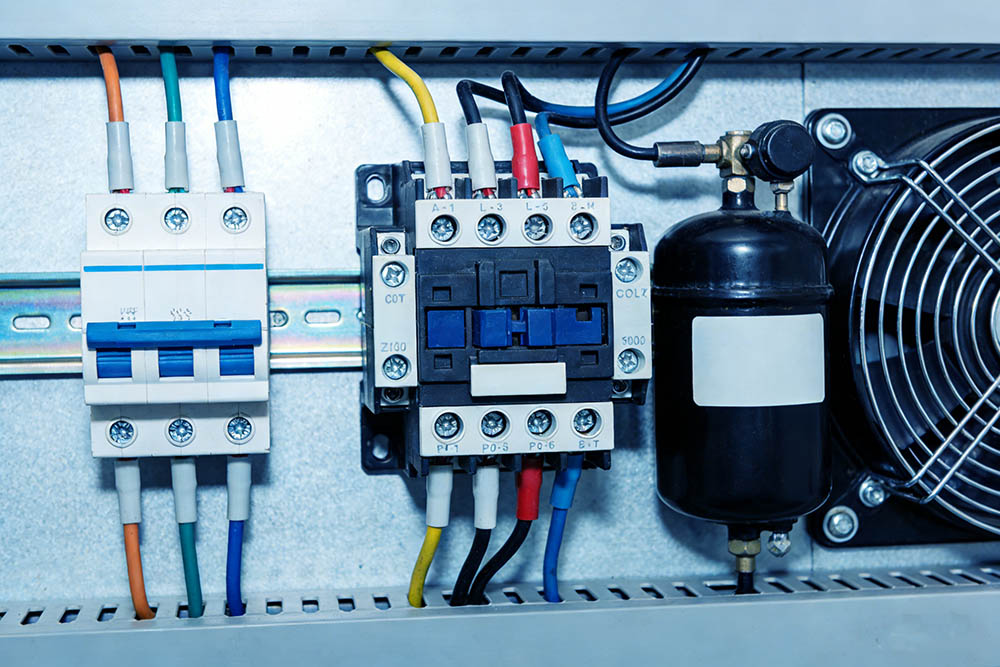
HVAC contactors control the power supply to components such as compressors and fan motors, helping maintain the proper function of heating, ventilation, and air conditioning systems. Over time, contactors wear out due to electrical load, frequent cycling, and environmental conditions. Understanding the typical lifespan of a contactor and the common issues that can shorten its life can help with maintenance and avoid unexpected failures. This article will explore the expected lifespan of an HVAC contactor, how to diagnose faults, and maintenance practices to extend its service life.
KEY TAKEAWAY
- Lifespan: Most HVAC contactors last between 5 to 10 years
- Influencing factors: Load cycles, voltage quality, and environmental conditions affect lifespan
- Maintenance: Regular inspection helps extend the contactor’s life and prevent failures
What is an HVAC Contactor?
An HVAC contactor is a switch that controls electricity flow to components like compressors, fan motors, and pumps. It is activated by a low voltage signal from the thermostat. When the thermostat calls for heating or cooling, the contactor closes the circuit. Once the desired temperature is reached, the circuit opens, stopping the electricity flow. HVAC contactors are commonly used to manage power in various systems. For more details, you can read our full article on HVAC contactors.
Typical Lifespan of an HVAC Contactor
Average Lifespan
HVAC contactors typically last 5 to 10 years under normal usage. The actual lifespan depends on factors like load cycles, voltage stability, and environmental conditions. Systems with frequent cycles or extreme conditions may experience shorter lifespans, while systems with lighter loads and stable conditions may last longer.
Factors Affecting Lifespan
- Load and Cycling Frequency: Frequent cycling, like in air conditioning systems, causes faster wear on contactors. Longer operating cycles result in less wear.
- Voltage Quality: Voltage fluctuations and unstable power sources strain contactors, leading to arcing and premature wear.
- Environmental Conditions: High temperatures, humidity, and dust can shorten the contactor’s life by causing poor connections and corrosion.
- Duty Rating: Contactors for continuous duty handle higher loads, while those for intermittent duty wear out faster under heavy loads.
For more details about contactor lifespan, check our [full article].
Common Issues and Symptoms of a Failing HVAC Contactor
HVAC Not Starting or Intermittent Operation
This could indicate that the contactor’s coil is not activating properly or the contacts are not closing completely. The issue could be due to a faulty control signal, poor connections, or a defective contactor.
Outdoor Unit Running Continuously
If the outdoor unit keeps running even after the thermostat has been turned off, this could be caused by contacts sticking in the closed position. A failed or worn-out contactor might not open properly, allowing power to continue flowing.
Buzzing or Humming Sounds
Buzzing or humming noises during operation can indicate that the coil is weak or there is an issue with the magnetic pull. This may be caused by a failing coil or loose connections that prevent the contactor from closing fully.
Pitting or Corrosion on Contacts
Over time, electrical arcing can cause damage to the contact surfaces. Pitting or visible burn marks on the contacts are signs of wear and reduced efficiency. As the contactor wears, it may not properly complete the circuit, causing voltage loss or system malfunctions.
How to Diagnose and Test a Contactor
Visual Inspection
Start with a visual check for any obvious damage such as discoloration, pitting, or signs of burning on the contacts. Look for broken or frayed wires and check for signs of corrosion.
Electrical Testing
Use a multimeter to test the coil for proper voltage. If the correct voltage is present but the contactor does not pull in, the coil may be damaged. Check the contact resistance when closed—high resistance indicates poor contact and the need for replacement.
Mechanical Test
With the system off, manually operate the contactor’s mechanism to check for smooth movement. Sticky or delayed movement may indicate that internal mechanical components are worn out.
Maintenance and Care to Extend the Lifespan of HVAC Contactors
To ensure HVAC contactors operate properly over time and prevent failures, regular maintenance and care are required. Here are some effective measures:
Regular Cleaning
Cleaning the contactor’s contacts and coil regularly helps prevent dust buildup and oxidation that can affect its performance. Use a contact cleaner designed for electrical components to remove light corrosion or oxidation.
Tighten Connections
Ensure all electrical connections are secure. Loose wiring can cause overheating and poor contact, which reduces the contactor’s lifespan. Regularly check and tighten any loose terminals to keep the contactor functioning properly.
Replace Worn Parts
If the contacts show significant wear, replace them. Continuing to use a worn-out contactor can lead to damage in other system components. Regularly check the condition of the contactor and replace it before it completely fails.
Environmental Protection
For contactors exposed to harsh environments, consider using protective covers to shield them from dust, moisture, and other contaminants. This is especially important for outdoor systems or systems exposed to extreme conditions.
Reduce Frequent Cycling
Using soft-start devices or load management solutions can help reduce the number of switching cycles, which decreases the stress on the contactor. These technologies allow the system to start more gradually and minimize electrical arcing, extending the contactor’s lifespan.
Ensure Stable Voltage
Using surge protectors or voltage stabilizers helps protect the contactor from voltage fluctuations. Keeping voltage conditions stable can significantly extend the contactor’s life.
Choose the Right Contactor
Select a contactor that suits your system’s requirements. Ensure the current and voltage ratings match the specifications of your compressor and fan motor. Choosing the right contactor helps reduce wear from overload or underuse, ensuring the system runs smoothly.
By following these practices, you can extend the lifespan of HVAC contactors and ensure reliable system performance over time.
Conclusion
HVAC contactors typically last between five and ten years, but many factors affect their lifespan. By understanding the signs of wear, performing regular maintenance, and replacing worn parts promptly, you can extend the life of your HVAC contactor and ensure optimal system performance.
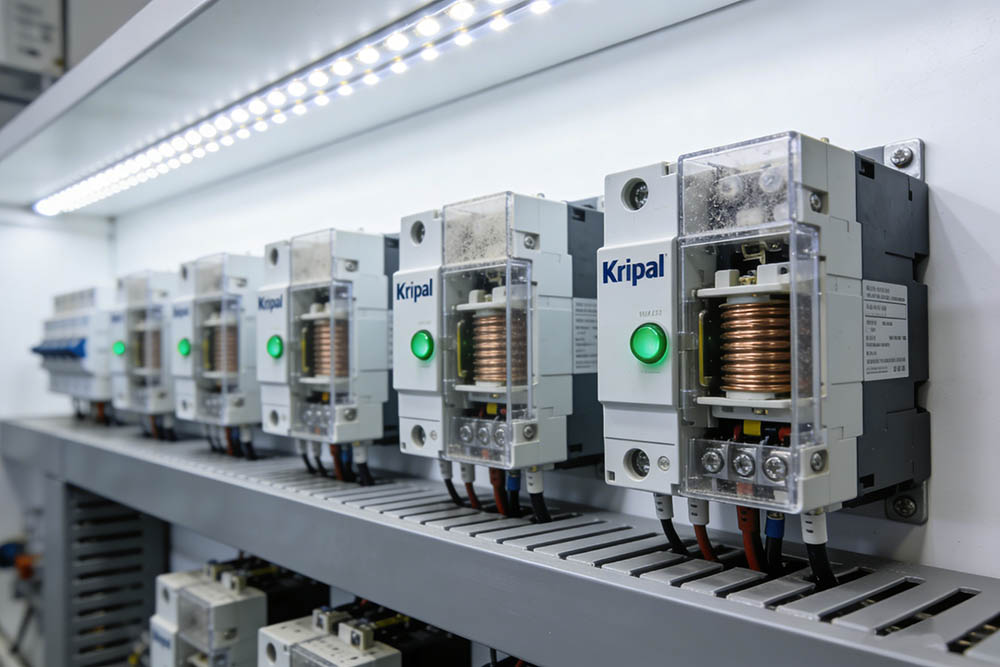
For those seeking reliable and durable contactors, Kripal offers a wide range of high quality products designed for various HVAC applications. Kripal’s contactors are built for consistent performance and long lasting use in different environments. For expert advice and customized solutions for your HVAC systems, contact our professional team to ensure your contactors meet your specific requirements.
Related Resources
Explore News >
How can we assist you?
Tell us a bit more so we can route your request to the right expert.