Search
Knowledge Center
DC vs AC Combiner Box: What’s the Difference?
Learn the key differences between DC vs AC combiner boxes for PV systems. Understand functions, safety, applications, and how to choose the right solar combiner box.
 March 17, 2026
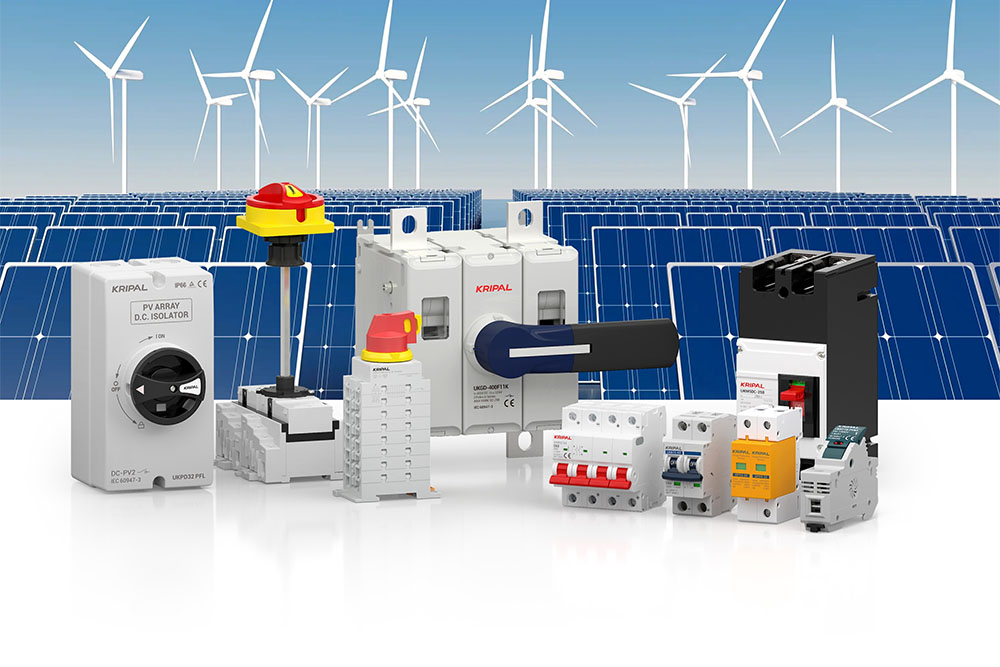
In a photovoltaic system, the combiner box connects modules, inverters, and the grid. It gathers power and adds protection at the same time. DC combiner boxes and AC combiner boxes may look similar in name, yet they differ in location, current type, structure, and safety requirements.
A clear understanding of these differences helps improve system layout, reduce risks, and support stable operation over time.
Key Takeaways
- A DC combiner box sits before the inverter and gathers direct current from PV strings
- An AC combiner box sits after the inverter and gathers alternating current outputs
- The DC side involves higher voltage and stronger arc risks
- The AC side focuses more on overcurrent protection and grid connection safety
- Selection depends on system architecture, inverter type, and project scale
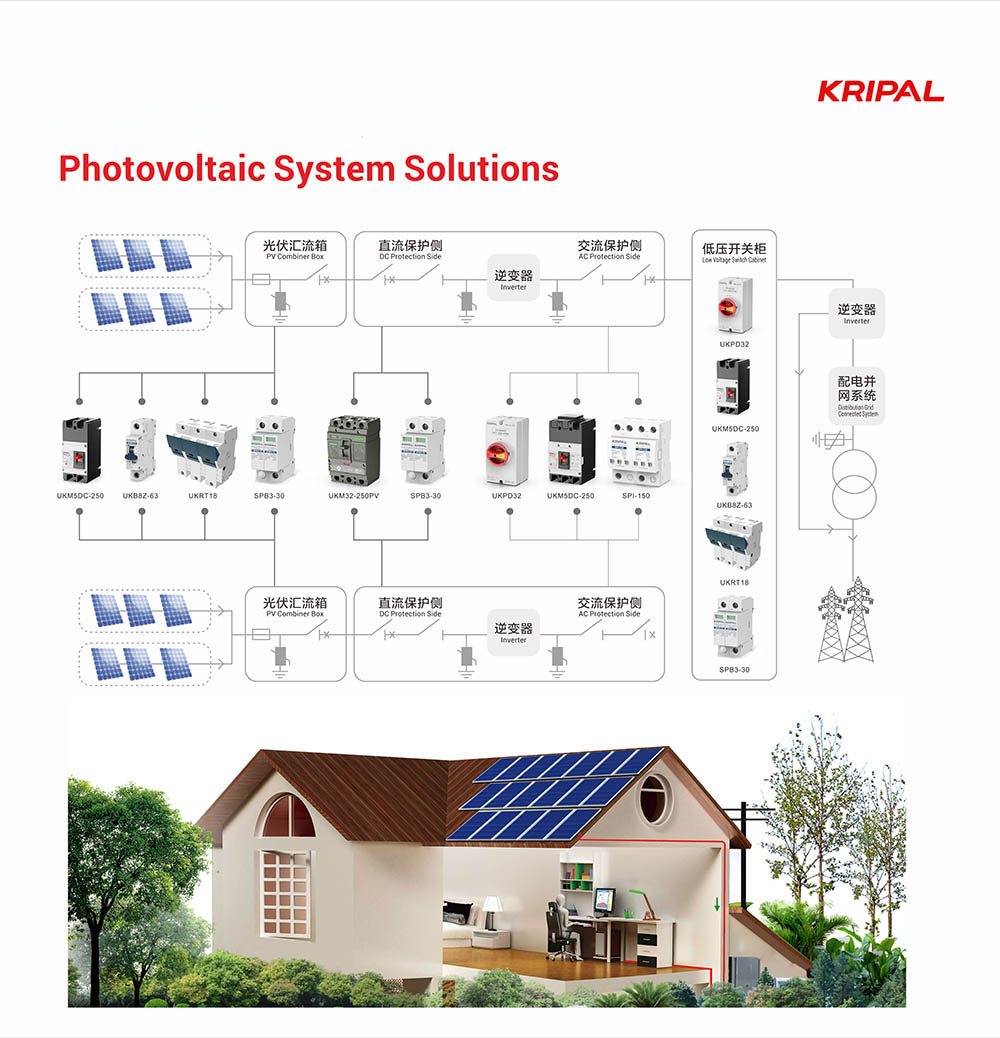
What Is a Solar Combiner Box
A solar combiner box gathers multiple electrical inputs into a single output. It reduces cable complexity and simplifies wiring layout. At the same time, it integrates protection components such as fuses and surge protection devices, along with monitoring functions in some cases.
Its configuration affects system stability, safety, and maintenance convenience, so it holds a central position in photovoltaic installations.
Core Differences Between DC and AC Combiner Boxes
The main difference lies in the type of current handled.
- A DC combiner box collects direct current generated by PV modules and sends it to the inverter
- An AC combiner box collects alternating current from multiple inverters and connects it to the distribution system or grid
This distinction shapes their structure, protection methods, and application scenarios.
Position in the System
The installation position of a combiner box follows the direction of power flow in a photovoltaic system. DC and AC combiner boxes appear at different stages, and each one connects to different equipment. This placement affects cable layout, system structure, and how power is managed across the system.
DC Combiner Box
The DC combiner box sits between PV arrays and the inverter. It collects direct current from multiple strings and combines them into a single or fewer outputs before entering the inverter. This setup reduces long cable runs, lowers wiring complexity, and makes string level management more straightforward during operation and maintenance.
AC Combiner Box
The AC combiner box is installed after the inverter on the AC side. It gathers alternating current outputs from multiple inverters and channels them into a unified connection point such as a distribution panel or grid interface. This arrangement supports cleaner system integration and simplifies the handling of multiple inverter outputs in distributed installations.
Voltage Levels and Electrical Characteristics
DC and AC systems behave differently, which affects combiner box configuration.
- DC combiner boxes often operate in the range of 600V to 1500V
- AC combiner boxes commonly operate between 120V and 480V
Direct current has no natural zero crossing, so arcs can persist longer once formed. Alternating current passes through zero periodically, which helps interrupt arcs more easily. This difference leads to stricter insulation and switching requirements on the DC side.
Internal Components
DC Combiner Box
Typical components include DC fuses, surge protection devices, isolation switches, and busbars. These elements handle high voltage DC conditions and protect against faults and lightning effects.
AC Combiner Box
AC combiner boxes include circuit breakers, surge protection devices, and monitoring elements such as current transformers. The focus leans more toward power distribution and coordinated protection.
Overall, DC combiner boxes emphasize protection under high voltage conditions, while AC combiner boxes focus more on control and distribution.
Safety and Risk Differences
Safety characteristics differ between DC and AC sections due to their electrical behavior. The DC side involves continuous current flow, while the AC side follows a periodic waveform. This leads to different risk patterns and protection approaches in each part of the system.
DC Side Risks
On the DC side, arcs can persist once they form, since there is no natural zero crossing to interrupt them. This increases the chance of sustained heating and potential fire hazards. As a result, higher standards apply to insulation, connector quality, and installation practices. Even small contact issues can escalate if not properly managed.
AC Side Risks
On the AC side, risks focus more on short circuits and overcurrent conditions. The alternating waveform allows arcs to extinguish more easily, which reduces the duration of fault events. However, protection still depends on properly rated circuit breakers and coordination within the distribution system to maintain stable operation.
Application Scenarios
DC Combiner Box Applications
DC combiner boxes appear in utility scale plants, large ground mounted systems, and many commercial projects. They fit setups with multiple PV strings that need centralized collection.
AC Combiner Box Applications
AC combiner boxes are common in distributed systems, especially with microinverters or multiple string inverters. They support the aggregation of inverter outputs before grid connection.
Cost and System Considerations
DC combiner boxes often involve higher insulation levels and protection features due to high voltage conditions. AC combiner box cost depends more on the number of inverters and the layout of the AC network. Equipment selection links closely to system configuration rather than price alone.
DC Combiner Box vs AC Combiner Box: Key Differences for PV Solar Systems
| Feature | DC Combiner Box | AC Combiner Box |
| Current Type | Direct Current (DC) | Alternating Current (AC) |
| Position in System | Between PV arrays and the inverter (before inverter). | After the inverter (between inverter and grid/distribution panel). |
| Primary Role | Gathers DC output from multiple PV strings and sends it to the inverter. | Gathers AC output from multiple inverters and sends it to the grid or distribution system. |
| Typical Voltage Range | 600V to 1500V DC | 120V to 480V AC (varies by region: 120V/240V, 220V/380V, etc.) |
| Arc Risk | Higher – DC has no natural zero crossing, so arcs persist longer and are harder to extinguish. | Lower – AC passes through zero 50/60 times per second, helping extinguish arcs naturally. |
| Main Protection Focus | High-voltage DC protection: fuses, surge protection, arc prevention, high-grade insulation. | Overcurrent and grid-connection protection: circuit breakers, coordination with distribution system. |
| Key Internal Components | DC fuses, DC surge protection devices (SPD), isolation switches, DC busbars. | AC circuit breakers, AC SPD, current transformers (for monitoring), terminal blocks. |
| Safety Risks | Persistent arcs → heating, fire hazard. Requires strict insulation and connector quality. | Short circuits and overcurrent. Arcs extinguish more easily, but breakers must be properly rated. |
| Monitoring Focus | String-level DC current/voltage to detect underperforming PV strings. | Inverter-level or feeder-level AC power, often for grid management or energy accounting. |
| Typical Applications | – Utility-scale solar plants – Large ground-mounted systems – Commercial PV arrays with many strings |
– Distributed solar systems – Microinverter aggregations – Multiple string inverters feeding one grid point |
| Effect on Cable Layout | Reduces long DC cable runs from array to inverter. | Reduces AC cable complexity from multiple inverters to grid connection. |
| Cost Drivers | High insulation level, DC-rated components, arc mitigation. | Number of inverters, AC network layout, breaker coordination. |
| Installation Environment | Often outdoors, close to PV array – requires weatherproof, high-protection enclosure. | Can be indoors or outdoors – enclosure depends on location but typically less stringent than DC side. |
| System Impact | Affects DC collection efficiency and string-level fault isolation. | Affects grid interface stability and load side power quality. |
How to Choose the Right Combiner Box
Selection depends on system layout, inverter configuration, and protection needs. A clear view of how power flows through the system helps narrow down the right option.
Based on Inverter Type
Central and string inverters connect on the DC side before power conversion, so DC combiner boxes are commonly applied in these setups. Microinverter systems output AC directly at module level, so AC combiner boxes are more common in this case.
Based on System Structure
When multiple PV strings need to be grouped before reaching the inverter, a DC combiner box fits this structure. When several inverters feed into one connection point on the AC side, an AC combiner box provides a cleaner layout and easier integration.
Based on Safety and Compliance
High voltage DC systems demand stronger insulation and fault protection on the DC side. Grid connected systems on the AC side depend on proper circuit interruption and compliance with electrical standards to maintain safe operation.
FAQ
1. Can DC and AC combiner boxes replace each other?
No. DC and AC combiner boxes operate at different stages of the system and handle different types of current. Mixing them leads to improper operation and may cause safety risks or equipment damage.
2. Is it okay to choose a combiner box based only on price?
3. No. Price alone does not reflect compatibility with the system. A mismatch between the combiner box and system structure can lead to performance issues and higher long term costs.
4. Do standards and certifications really matter?
Yes. Compliance with standards such as IEC or UL supports system approval and stable operation. Ignoring certification may create issues during inspection and affect long term reliability.
Conclusion
DC and AC combiner boxes operate at different stages of a photovoltaic system. One handles direct current before conversion, while the other gathers alternating current after inversion. Their differences cover electrical behavior, structure, and application scenarios.
Proper selection helps improve system performance and reduce operational risks over time. If you have any questions about solar combiner box selection or system solutions, our technical team is ready to support you.