Search
News
The Ultimate Guide to Consumer Units: What They Are, Components, and Types
Learn what a consumer unit is, its key components (MCB, RCD, RCBO), and the different types available. Essential guide for home electrical safety and upgrades.
 March 20, 2026
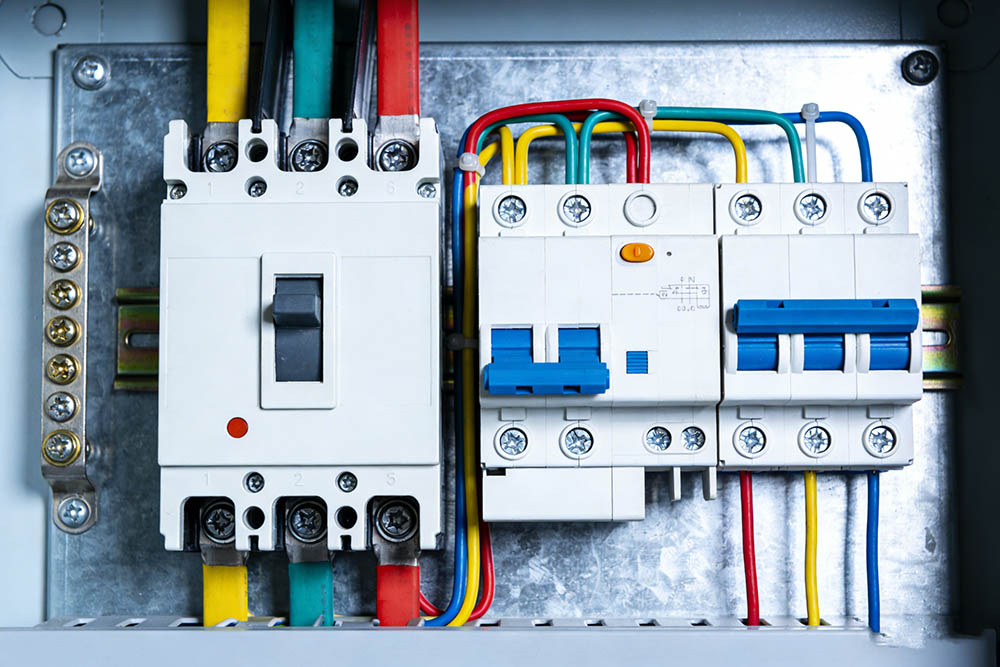
Every modern home relies on a central hub to manage and distribute electricity safely. This central distribution point is known as the consumer unit. If you live in an older property, you might refer to it as a fuse box, but modern electrical standards have significantly upgraded how these systems operate.
Whether you are a homeowner wanting to understand your electrical system better or planning a home renovation, knowing how your electrical distribution works is a fundamental part of property maintenance. In this comprehensive guide, we will explore what a consumer unit is, examine the components inside, and discuss the different types available on the market today.
What is a Consumer Unit?
A consumer unit is the primary distribution point for a building’s electrical supply. It takes the main electrical feed coming from the utility provider and splits it into individual circuits for different parts of the property, such as lighting, kitchen appliances, and wall sockets.
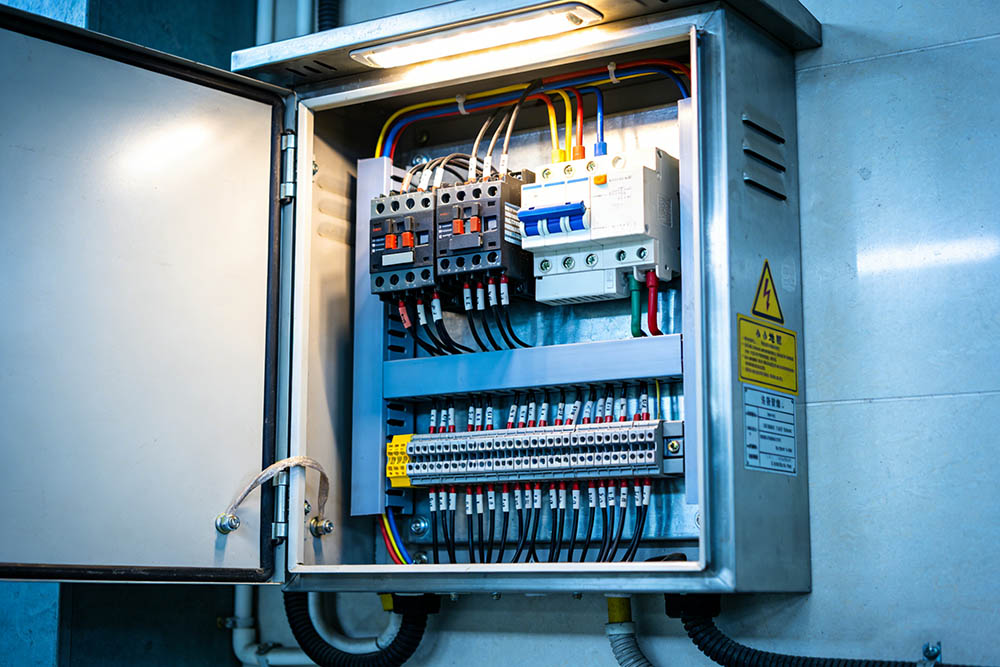
Beyond simple distribution, the primary function of a modern consumer unit is safety. It actively monitors the electrical current. If an overload, a short circuit, or a fault occurs, the devices inside the unit will automatically cut the power to prevent electric shocks, property damage, or electrical fires. Under current regulations, modern units are manufactured from non-combustible materials (typically metal) to contain any potential fire within the enclosure itself.
What is Inside a Consumer Unit?
When you open the protective cover of your unit, you will see a row of switches and modules. Each of these components performs a specific safety function. Here is a breakdown of what you will find inside.
The Main Switch
The main switch is the master control for your entire electrical system. By flipping this large switch, you can turn off the electricity supply to the entire property. This is highly useful during major electrical work or in the event of an emergency.
Miniature Circuit Breakers (MCBs)
MCBs protect individual circuits from overcurrent and short circuits. If you plug in too many heavy-drawing appliances on one circuit, the wires can overheat. The MCB detects this excess current and trips (switches off) to protect the wiring from melting or catching fire.
Residual Current Devices (RCDs)
While MCBs protect the wiring, RCDs protect humans. An RCD constantly monitors the electrical current flowing through the live and neutral wires. If it detects that electricity is leaking down an unintended path—such as through a person touching a live wire or a faulty appliance—the RCD trips and cuts the power in a fraction of a second, preventing severe electric shocks.
Residual Current Breaker with Overcurrent (RCBOs)
An RCBOÂ is a highly efficient device that combines the functions of both an MCB and an RCD into a single unit. It protects against overloads, short circuits, and earth leakage all at once. Because each RCBO serves only one specific circuit, a fault on that circuit will not affect the power supply to the rest of the house.
Surge Protection Devices (SPDs)
SPDs protect your sensitive electronic equipment (like televisions, computers, and smart home devices) from transient overvoltages, commonly known as power surges. These surges can be caused by external factors like lightning strikes or grid fluctuations. The SPD absorbs the excess energy and directs it safely to the ground.
Arc Fault Detection Devices (AFDDs)
AFDDs are advanced safety components designed to detect electrical arcs. An arc happens when electricity jumps across a gap due to damaged wiring, loose connections, or rodent damage. Arcing generates intense heat and is a leading cause of electrical fires. The AFDD detects the unique digital signature of an arc and disconnects the circuit before a fire can start.
The Busbar
The busbar is a solid copper strip located at the bottom of the components. It safely distributes the electrical power from the main switch across all the various circuit breakers and devices lined up in the unit.
Different Types of Consumer Units
Not all electrical setups are the same. Depending on the size of the property, the budget, and the specific electrical requirements, electricians will install different types of consumer units.
Main Switch Consumer Units
A main switch consumer unit is populated entirely by RCBOs. In this setup, every single circuit has its own dedicated protection against overloads and earth leaks. If a fault occurs on the kitchen socket circuit, only the kitchen RCBO trips, leaving the lights and other circuits fully operational. This is widely considered the most reliable and premium option for modern homes.
Dual RCD Consumer Units
This is a very common and cost-effective setup. The circuits in the house are divided into two groups, and each group is protected by a single RCD, with individual MCBs for each circuit. While this provides excellent safety, it has a drawback: if a toaster causes an earth fault, the RCD will trip, turning off power to half of the property, rather than just the faulty circuit.
High Integrity Consumer Units
High integrity units offer a middle ground between the Dual RCD and the Main Switch setups. They feature two RCDs to protect standard circuits (like general lighting and sockets), but they also include a separate section for independent RCBOs. These RCBOs are typically used for specific appliances that require a dedicated supply, such as a fridge-freezer or a burglar alarm, ensuring they remain powered even if one of the main RCDs trips.
Garage / Outbuilding Consumer Units
These are much smaller, compact units designed specifically for extensions, garages, or sheds. They usually contain a main switch and just one or two breakers to control the limited lighting and power needs of a small outdoor building, keeping its electrical supply separate from the main house.
Flush Mounted vs Surface Mounted
Beyond the internal configuration, consumer units come in two physical styles. Surface-mounted units are installed directly onto the surface of a wall, which is the most common method. Flush-mounted units are recessed into the wall so that the front cover sits completely flat against the plaster, offering a much cleaner and more aesthetic appearance in modern interiors.
Frequently Asked Questions for Consumer Units
What is the difference between a fuse box and a consumer unit?
A fuse box uses old fashioned wire fuses that melt and need physical replacement when a fault occurs. A consumer unit uses modern mechanical switches circuit breakers that simply trip and can be easily reset with the flick of a switch.
Can I upgrade my own consumer unit?
No. Replacing or upgrading a consumer unit involves working with the main incoming electrical supply. This work must be completed by a qualified registered electrician to ensure absolute safety and strict compliance with local building regulations.
Why does my consumer unit trip constantly?
A consumer unit trips to protect you from an electrical hazard. Common reasons include overloaded circuits plugging in too many appliances, a faulty electrical appliance leaking current, or damaged wiring hidden within the property walls.
How often should a consumer unit be inspected and tested?
Electrical safety regulations highly recommend having your domestic consumer unit inspected and tested by a professional electrician every ten years. If you rent out your property to tenants you must arrange a formal electrical safety check every five years.
Where should a new consumer unit be installed?
Building regulations require new consumer units to be easily reachable for routine maintenance and sudden emergencies. They are typically installed at a specific height accessible to wheelchair users and must be located away from extreme moisture or highly flammable materials.
Conclusion
Understanding the components inside your consumer unit gives you ultimate peace of mind and helps you maintain a highly safe living environment. Your electrical distribution board works silently around the clock to protect your property from sudden electrical hazards and dangerous fire risks. From simple miniature circuit breakers to advanced arc fault detection devices these components represent the front line of your property safety.
Are you ready to upgrade your electrical distribution system with premium manufacturing reliability. Explore the complete range of modern solutions at Kripal today. We engineer our advanced circuit protection devices to meet the highest global safety standards and deliver flawless performance for both residential and commercial properties. Visit our consumer unit catalog to find the exact electrical enclosure that matches your specific project requirements and let our engineering expertise help you secure your facility for decades to come.
Related Resources
Explore News >
How can we assist you?
Tell us a bit more so we can route your request to the right expert.