Search
 April 23, 2026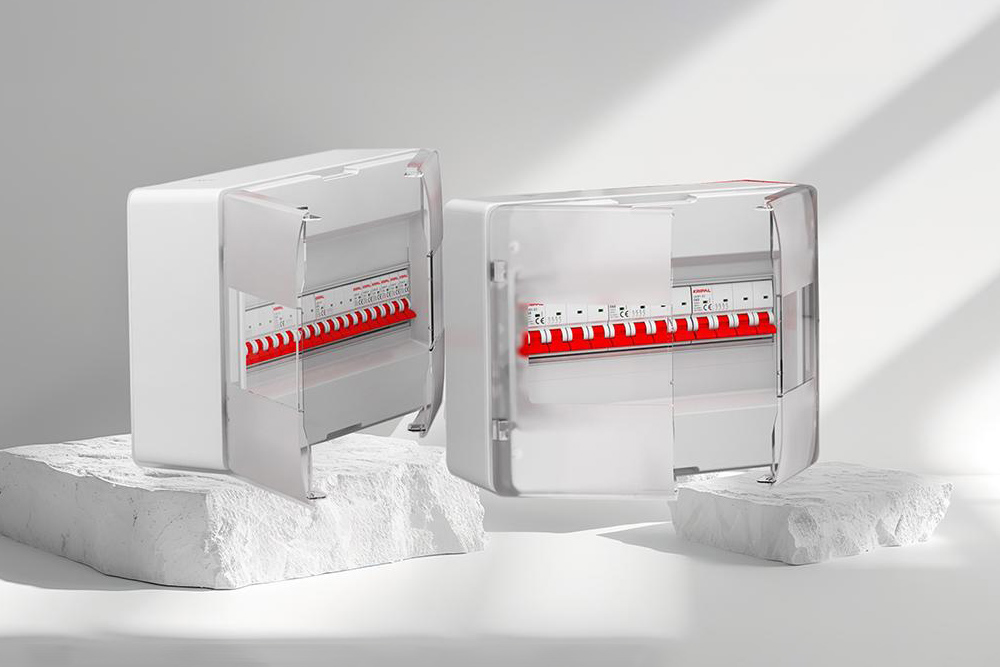
The consumer unit plays a crucial role in ensuring electrical safety. Over time, the components in the unit may deteriorate or become damaged, posing potential safety risks.
When replacing a consumer unit, many people worry about the costs involved. This article provides an overview of the factors influencing the cost of replacing a consumer unit, helping you make better decisions and manage your budget.
Key Takeaways
- The importance of consumer units: Consumer units are central to household electricity distribution and help ensure electrical safety.
- Reasons for replacement: A consumer unit may need to be replaced due to aging, damage, or increased electrical load.
- Factors influencing cost: The brand and model of the consumer unit, the complexity of installation, and regional differences all affect the overall cost.
Why should you replace your consumer unit?
Aging of the consumer unit
As time passes, the electrical components in the consumer unit may begin to age. Issues such as loose wiring and damaged insulation can emerge, affecting the stability of electricity distribution.
These problems may lead to appliance malfunctions or safety hazards. In older consumer units, these issues are often more severe, so timely replacement helps mitigate unnecessary risks.
Increased load
As household electrical demands rise and more devices are used simultaneously, the existing consumer unit may not be able to handle the additional load. If the unit cannot support the current demand, it could lead to circuit overloads or even fires in severe cases. Replacing the consumer unit can increase its capacity, ensuring it meets the higher energy needs of the home.
Safety risks
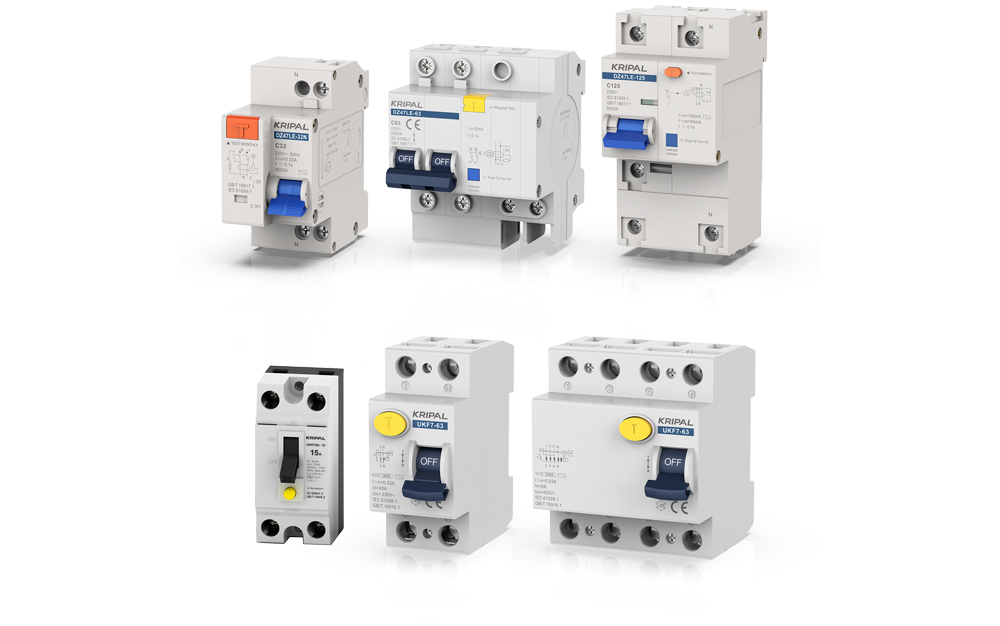
Older consumer units often lack modern safety features, such as leakage protectors and overload protection. Without these devices, electrical faults may result in electric shocks or fires. When replacing the consumer unit, it is possible to install up-to-date safety features, significantly enhancing electrical safety.
Compatibility with new appliances
In modern households, many high-power appliances are becoming common. Older consumer units may not be compatible with these new devices, leading to frequent circuit tripping. Updating the consumer unit’s model and functions is essential to ensure appliances run smoothly.
Legal requirements
In some areas, replacing the consumer unit may be required by law or safety regulations. For example, with updated building codes, new homes or renovation projects may require the installation of consumer units that meet the latest electrical standards. If your existing unit does not meet these standards, replacing it will ensure compliance with safety regulations.
Factors influencing consumer unit replacement costs
Brand and model of the consumer unit
The price of a consumer unit is directly affected by the brand and model. Well-known brands typically use higher-quality materials, offering greater durability and safety, resulting in a higher cost.
On the other hand, lower-end brands may offer cheaper units, but they might lack reliability or advanced protection features. When choosing, it is important to consider not only the price but also the long-term stability and safety of the unit.
Complexity of electrical installation
The complexity of the installation process also plays a significant role in the cost. If the replacement is straightforward, such as swapping out an old unit, the cost will generally be lower.
However, if there is a need for complex electrical wiring, cable replacement, or system upgrades, the difficulty and time required will increase, raising the overall cost. More complex installations require additional labor costs and technical expertise.
Fees of electrical engineers
When replacing a consumer unit, it is necessary to hire professional electrical engineers or electricians to perform the installation and system setup. The fees charged by engineers vary by region and depend on their experience, qualifications, and the complexity of the work. Generally, engineers with higher technical expertise and experience tend to charge higher fees.
Location of installation
The location of the installation also impacts the cost. In remote areas or complex work environments, the cost of installing a consumer unit may be higher due to additional transportation fees, time costs, or the need for specialized tools.
Furthermore, labor costs can differ significantly between cities and rural areas. In large cities, where labor costs are higher, the overall replacement cost may be more expensive.
Cost Overview: Consumer Unit Replacement
| Factor | Cost Impact | Why It Matters |
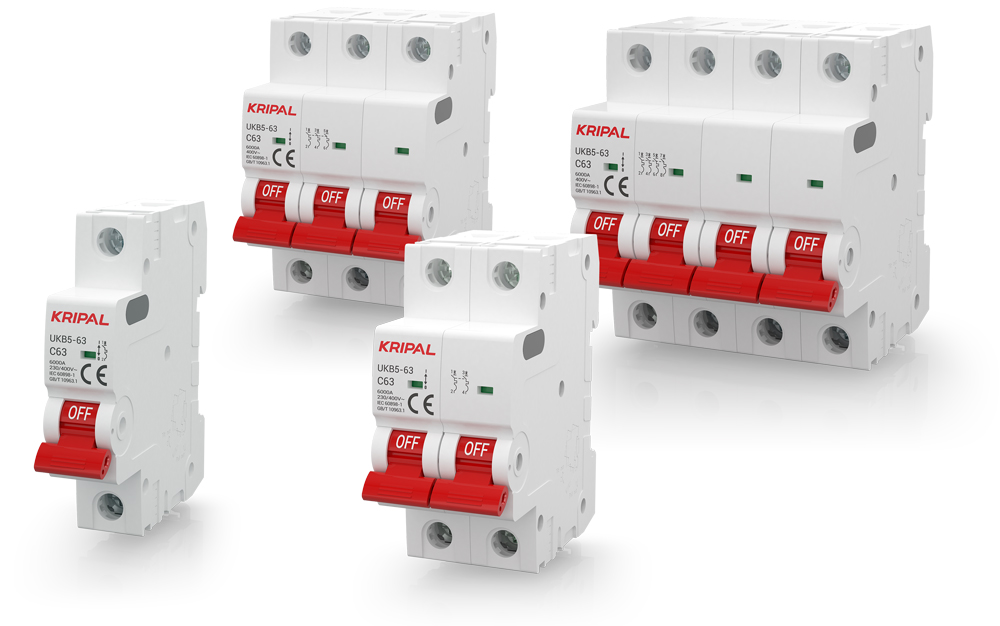
| Product Brand | Medium to High | Reliable brands like KRIPAL offer better durability and built-in protection (MCB/SPD) which reduces long-term repair costs. |
| Unit Capacity | Low to Medium | Higher Amperage (e.g., 100A+ vs 63A) is needed for modern homes with EV chargers and heat pumps. |
| Smart Features | Variable | Smart units with IoT monitoring have a higher upfront cost but save money by optimizing energy efficiency. |
| Labor & Region | High | Fees vary by city. Complex rewiring or upgrading an old system increases the hours billed by the engineer. |
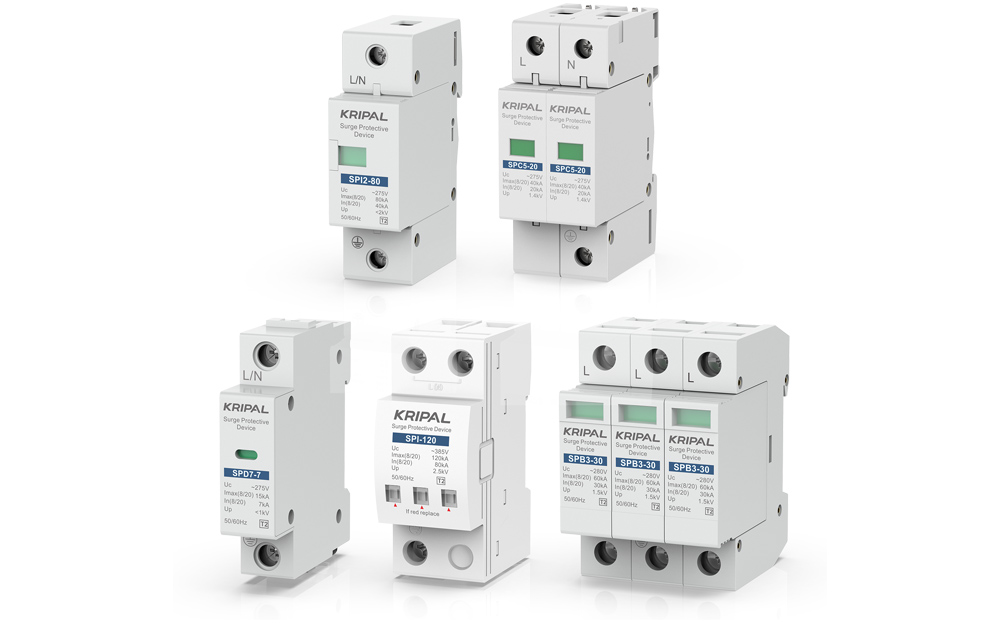
| Safety Upgrades | Medium | Including Surge Protection Devices (SPD) or Arc Fault Detection is now often a legal or insurance requirement. |
| Solar/EV Ready | Medium | Choosing a unit that supports bi-directional energy flow is essential for homes with solar panels or storage. |