Search
Knowledge Center
Are RCDs, ELCBs and RCCBs the Same Thing?
Are RCDs, ELCBs and RCCBs the same thing? No. Learn key differences, applications, and how each residual current device protects against electric shock.
 April 24, 2026
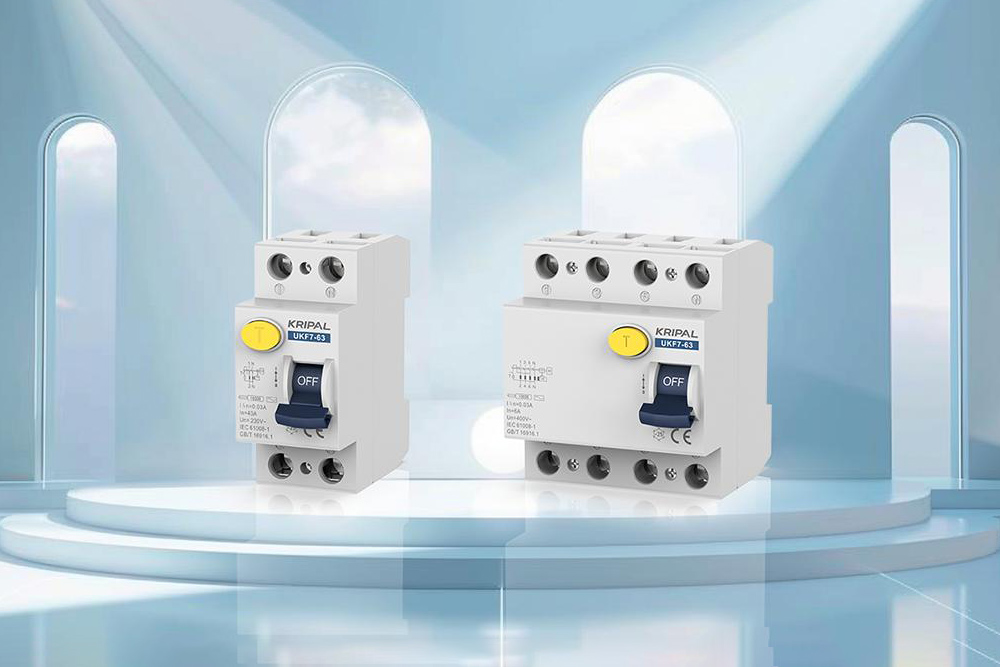
In electrical safety discussions, the terms RCD, ELCB, and RCCB are often used interchangeably, which can cause confusion. Although all are designed to protect against electric shock and leakage currents, they differ in operating principles and technology, reflecting the evolution of electrical protection methods.
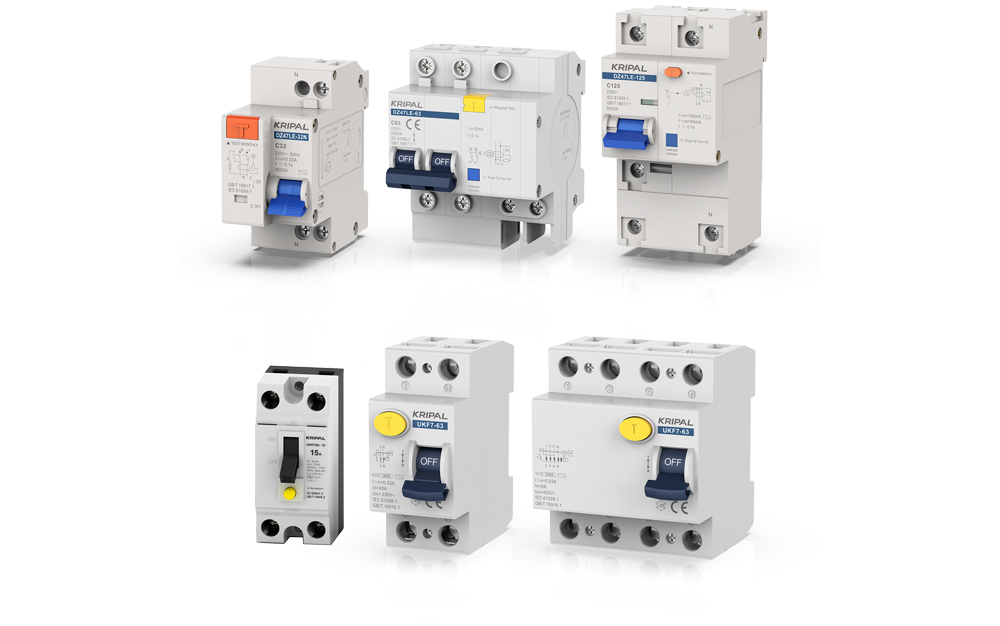
Each device has its own characteristics and limitations. Some provide higher sensitivity and faster fault detection, while others rely more on conditions such as proper earthing. These differences affect their suitability in various systems and help explain why modern installations tend to favor certain devices when selecting protection equipment.
Understanding the Common Purpose
RCDs, ELCBs, and RCCBs are all designed to prevent electric shock and reduce fire risks caused by leakage currents. They operate by disconnecting the power supply when abnormal conditions are detected, such as current leaking through a human body or faulty insulation.
Despite this shared goal, the way each device detects faults and the technology behind them varies significantly.
What Is an RCD?
A Residual Current Device (RCD) is a general term for safety devices that monitor the flow of current in a circuit. It compares the total outgoing current with the returning current in the circuit conductors.
If there is any imbalance—indicating leakage—the device trips almost instantly.
RCDs are widely used in modern electrical systems because they provide fast and sensitive protection against electric shock, something traditional devices like fuses or MCBs cannot do.
What Is an RCCB?
An RCCB (Residual Current Circuit Breaker) is essentially a type of RCD. The terms are often used interchangeably, but RCCB (Residual Current Circuit Breaker) is a type of RCD designed to provide protection against earth leakage currents without integral overload or short-circuit protection. It is typically used together with an MCB for complete circuit protection.
Like an RCD, an RCCB works by detecting current imbalance between live and neutral conductors. It trips rapidly when leakage current is detected.
In practice, RCCBs are the standard choice in modern residential and commercial installations due to their reliability and sensitivity.
What Is an ELCB?
The term ELCB (Earth Leakage Circuit Breaker) has historically been used for different types of earth leakage protection devices. In modern IEC terminology, current-operated devices are classified as RCDs, including RCCBs and RCBOs.
Historically, the term ELCB has been associated with both voltage-operated and current-operated earth leakage protection devices. Modern current-operated devices are now generally classified as RCDs or RCCBs.
- Voltage-operated ELCB: Detects voltage on the earth conductor
- Current-operated ELCB: In modern standards, current-operated earth leakage devices are classified as RCDs, including RCCBs and RCBOs.
Traditional voltage-operated ELCBs work by sensing changes in earth potential. If the voltage rises above a certain level, the device trips.
However, this method has limitations. It depends heavily on proper earthing and may fail to detect certain types of faults.
Because of these shortcomings, Voltage-operated ELCBs are now largely obsolete and have been replaced in most modern installations by current-operated residual current devices such as RCCBs and RCBOs.
Key Differences at a Glance
When comparing these devices, several key differences stand out. In terms of operating principle, RCDs and RCCBs work by detecting current imbalance between live and neutral conductors, whereas Traditional voltage-operated ELCBs detect abnormal voltage rise on the earth conductor.
Regarding sensitivity and accuracy, RCDs and RCCBs are highly responsive and can react quickly to leakage currents, while Traditional voltage-operated ELCBs are generally less sensitive and may fail to detect certain types of faults.
Another difference lies in their dependence on earthing: RCDs and RCCBs do not rely on the equipment earth conductor to detect residual current imbalance and can still provide shock protection even if the earth connection is imperfect, whereas traditional voltage-operated ELCBs rely heavily on proper earthing to operate correctly.
Finally, in terms of modern usage, RCDs and RCCBs are widely adopted in current electrical systems, while traditional voltage-operated ELCBs have largely been phased out due to their limitations.
| Comparison Item | RCD | RCCB | ELCB |
| Operating Principle | Detects imbalance between live and neutral currents | Detects imbalance between live and neutral currents; provides residual current protection without integral overload or short-circuit protection | Traditional voltage-operated types detect voltage rise on the earth conductor |
| Sensitivity and Accuracy | High sensitivity and fast response | High sensitivity and fast response | Lower sensitivity, may miss certain faults |
| Dependence on Earthing | Less dependent on earthing | Less dependent on earthing | Highly dependent on proper earthing |
| Modern Usage | Widely used in various electrical systems | Widely used in residential and commercial distribution | Voltage-operated types are largely obsolete, while current-operated residual current devices remain widely used |
Are They the Same?
Are they the same? The short answer is no, although the confusion is quite common. RCD is a broad term that refers to all residual current protection devices, while RCCB is a widely used type of RCD that provides earth leakage protection only.
The term ELCB is considered a historical or regional term in many markets, while modern standards mainly use the term RCD for current-operated leakage protection devices. In everyday conversation, many people still use “ELCB” to describe modern leakage protection devices, but from a technical perspective, this usage is not accurate.
| Item | Description |
| RCD Characteristics | A general term for all devices that detect leakage current and provide protection against electric shock |
| RCCB Characteristics | A type of RCD that provides earth leakage protection only |
| ELCB Characteristics | Historically associated with earth leakage protection devices, particularly older voltage-operated types, with relatively limited performance |
Conclusion
RCDs, RCCBs, and ELCBs all protect against electrical hazards, but they differ in how they detect faults and perform. RCDs, especially RCCBs, are widely used today for their fast response and ability to detect small leakage currents, offering reliable protection.
Traditional voltage-operated ELCBs are now considered outdated due to their dependence on proper earthing and other limitations. Modern current-operated residual current devices such as RCCBs and RCBOs are now widely used in residential, commercial, and industrial electrical systems.
Traditional voltage-operated ELCBs have largely been replaced by modern current-operated technologies such as RCCBs and RCBOs. Understanding these differences helps improve communication and supports better decision-making when selecting protective devices, ensuring safety and compliance with current standards.