Search
Knowledge Center
Understanding Voltmeters
Understanding voltmeters: learn how to measure voltage correctly. Compare analog vs digital types, selection tips, calibration, and safety practices.
 April 20, 2026
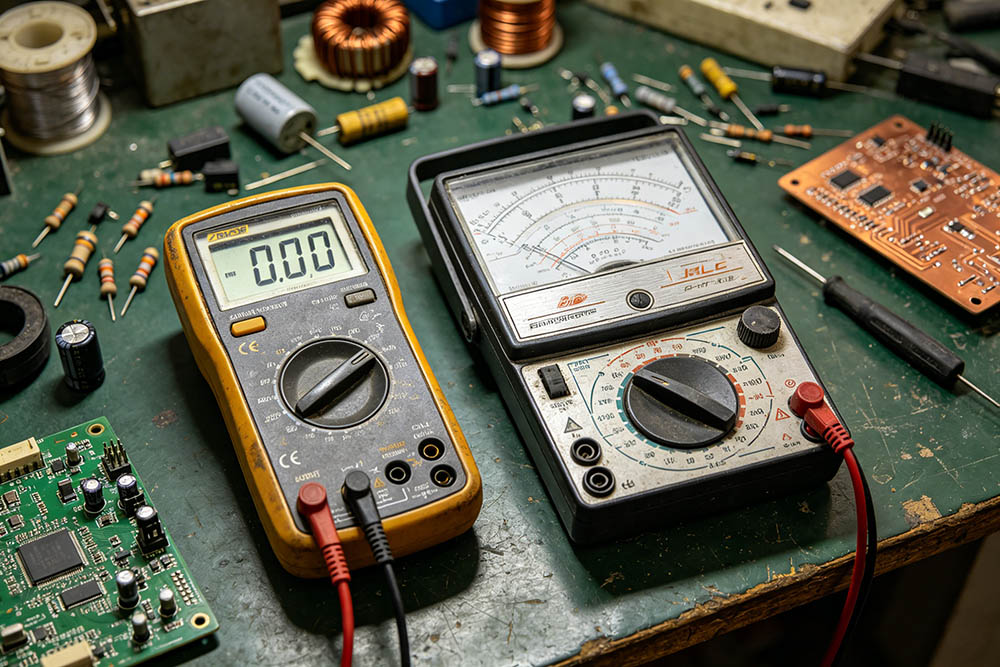
A voltmeter is an indispensable tool in electronics and electrical engineering that helps us precisely measure voltage variations in circuits. Whether in laboratory tests, power system maintenance, or daily equipment debugging, the voltmeter plays a significant role. This article will explore the working principle of voltmeters, types of voltmeters, calibration and maintenance methods, and provide safety tips for using voltmeters, helping you understand and use this tool more effectively.
Key Takeaways
- A voltmeter measures the voltage between two points in a circuit, helping ensure proper equipment operation and accurate readings.
- There are several types of voltmeters, including analog, digital, multifunction, high-voltage, and precision voltmeters, each suited for different applications.
- When choosing a voltmeter, consider factors like voltage range, accuracy, display method, and the measurement environment.
- Regular calibration and maintenance are essential for maintaining measurement accuracy and extending the life of the voltmeter.
What is a Voltmeter?
A voltmeter is a tool used to measure the voltage between two points in a circuit. It helps us understand the potential difference in the circuit and ensures proper equipment operation. By connecting to the circuit, it displays the voltage value in volts. Voltmeters are widely used in electronic devices, home appliance repairs, and various electrical tests.
What is the Basic Working Principle of a Voltmeter?
The basic working principle of a voltmeter is to determine the voltage by measuring the potential difference between two points in a circuit. The voltmeter typically contains a high-impedance measurement circuit to minimize its impact on the measured circuit.
- Connection: The two terminals of the voltmeter are connected to two test points in the circuit. It measures the change in current through these terminals and calculates the voltage difference.
- Ohm’s Law: The voltmeter calculates the voltage by measuring the current through its internal resistance. According to Ohm’s Law , where V is voltage, I is current, and R is resistance, the voltmeter calculates the voltage based on the small current flowing through its internal circuit and the known internal resistance.
- High Impedance Design: To avoid affecting the normal operation of the circuit, voltmeters are designed with very high input impedance, which ensures that they consume minimal current during measurement, preventing any change in the measured circuit’s voltage.
Thus, voltmeters provide accurate voltage readings to help us monitor voltage changes in the circuit effectively.
What Types of Voltmeters Are There?
Voltmeters can be divided into several major types based on their working principle, display method, and application. Below are the common types of voltmeters:
Analog Voltmeters
Analog voltmeters display the voltage value by moving a pointer on a scale, typically using a combination of a coil and a magnetic field to produce the movement. The advantage of analog voltmeters is their simple structure and low cost. They are very intuitive for observing real-time voltage changes, making them suitable for scenarios that require quick responses. However, their reading accuracy is relatively low, and due to the inertia of the pointer, it is difficult to read instantaneous voltage values accurately. As a result, they may not be suitable for high-precision measurements.
Digital Voltmeters
Digital voltmeters convert the voltage into a digital signal using internal electronic circuits and display the voltage value on a screen in a digital format. The advantage of digital voltmeters is their precise display, ease of reading, and higher measurement accuracy and stability, making them suitable for tasks requiring higher voltage precision. However, digital voltmeters are generally more expensive and may face limitations in responding to rapidly changing or high-frequency voltages.
Multifunction Voltmeters
Multifunction voltmeters combine multiple measurement functions, such as voltage, current, and resistance, allowing one device to measure several electrical parameters. The advantage is the integration of multiple functions, making it very convenient, especially in laboratory and maintenance environments, reducing the need to carry multiple devices. However, because of their complexity, they might not be as intuitive as dedicated voltmeters and are more suitable for multi-purpose scenarios, but not necessarily for precise voltage measurements.
High Voltage Voltmeters
High voltage voltmeters are specifically designed for measuring high voltages and typically feature higher input impedance and additional safety features, allowing them to handle voltages up to several kilovolts. Their advantage is their ability to safely measure voltages in high-voltage environments, making them suitable for the power industry, research, and engineering applications. However, due to their special design, high voltage voltmeters are bulkier, more expensive, and require strict operational protocols and safety measures.
Precision Voltmeters
Precision voltmeters are used for high-accuracy measurements and are widely used in laboratory or research settings. They provide very high measurement accuracy and extremely low error rates. Their advantage is that they offer high precision and stability, making them suitable for research, industrial, and other high-demand measurement tasks. However, precision voltmeters are typically larger, more expensive, and not suitable for everyday ordinary circuit measurements.
How to Choose the Right Voltmeter?
Choosing the right voltmeter requires considering several factors, including measurement needs, accuracy requirements, budget, and usage environment. The following are key considerations when selecting a voltmeter:
Measurement Range
Choose a voltmeter based on the voltage range you need to measure. Common voltmeters typically have low voltage ranges (e.g., 0-30V), medium voltage ranges (e.g., 0-100V), and high voltage ranges (e.g., 0-1000V or higher). Make sure the voltmeter’s range covers your measurement needs and avoid selecting a voltmeter with too small or too large a range, as this may affect measurement accuracy or safety.
Accuracy Requirements
Accuracy is an important consideration when selecting a voltmeter. Digital voltmeters generally provide higher accuracy than analog voltmeters. If you need precise measurements, particularly in research or laboratory environments, it is better to choose a high-precision digital voltmeter. Voltmeters with higher accuracy typically offer smaller error margins and more stable readings.
Display Method
Choose between an analog voltmeter or a digital voltmeter based on your need for measurement data. Analog voltmeters display readings with a pointer, which is suitable for quickly observing voltage changes, while digital voltmeters provide clear, precise digital readings, making it easier to record measurements. If ease of reading and accuracy are important to you, a digital voltmeter is likely a better choice.
Functionality Needs
If your work requires measuring multiple parameters like voltage, current, and resistance simultaneously, a multifunction voltmeter is a good choice. It offers more measurement options and reduces the need to carry multiple devices. If you only need to measure voltage, a dedicated voltmeter may be more efficient.
Measurement Environment
Select the right type of voltmeter based on the environment in which you will be using it. For high-voltage or harsh environments, choose a high-voltage voltmeter, which is designed to withstand high voltages and provides additional safety features. In laboratory settings, a precision voltmeter can offer higher measurement accuracy and stability.
| Feature | Analog Voltmeter | Digital Voltmeter (DVM) | Industrial Panel Meter |
| Data Display | Needle/Scale | LCD/LED Digits | Large LED / Analog Pointer |
| Accuracy | Moderate ($2\%$-$5\%$) | High ($0.1\%$-$0.5\%$) | Fixed Class ($1.5$ or $2.5$) |
| Power Source | Passive (usually) | Battery / External Power | System Powered |
| Best Use Case | Observing fluctuations | Precision lab testing | Real-time Grid monitoring |
| Input Impedance | Lower (kΩ range) | Very High (MΩ range) | Application specific |
How to Calibrate and Maintain a Voltmeter?
Calibrating and maintaining a voltmeter is crucial to ensuring its measurement accuracy and extending its service life. The following are the basic steps and suggestions for calibrating and maintaining a voltmeter:
Calibrating the Voltmeter
Calibration ensures that the voltmeter provides accurate readings, usually with the support of a standard voltage source. The general steps for calibrating a voltmeter include:
- Regular Calibration: To ensure measurement accuracy, voltmeters should be calibrated regularly. Calibration is recommended at least once a year or every six months, especially for precise measurements or frequent use.
- Use a Standard Voltage Source: Calibration typically requires a known, stable standard voltage source as a reference. By connecting the voltmeter to the standard voltage source and adjusting the output, you can compare the voltmeter’s readings with the actual voltage output of the source.
- Compare Readings: Compare the voltmeter’s readings with the actual output of the standard voltage source to determine if the voltmeter has drifted. If the readings are inaccurate, adjustments or repairs may be necessary.
- Record Calibration Data: After each calibration, record the results to ensure the voltmeter remains in effective working condition. These records can help track the calibration history and assist in troubleshooting when the device malfunctions.
Maintaining the Voltmeter
Maintenance helps prolong the voltmeter’s service life and ensures it operates properly. Common maintenance measures include:
- Clean the Voltmeter: Regularly clean the voltmeter’s exterior, especially the display screen and connection ports. Use a soft cloth to wipe it gently, avoiding direct contact with cleaning liquids. Dirt and dust accumulation could affect the voltmeter’s performance and reading accuracy.
- Check the Connection Ports: Periodically check the voltmeter’s connection ports to ensure they are clean, properly connected, and free of oxidation. Poor connections can lead to inaccurate measurements or damage to the voltmeter.
- Avoid Overloading: Ensure that the voltage being measured does not exceed the voltmeter’s maximum rated value. Overloading can damage the voltmeter and potentially cause safety hazards.
- Check the Battery: For portable digital voltmeters, check the battery regularly to ensure it is in good condition and avoid measurement errors due to low battery levels.
- Avoid Extreme Environmental Conditions: Voltmeters should be kept away from extreme temperatures, humidity, or strong electromagnetic fields. These environmental factors can affect the voltmeter’s accuracy or cause damage. If used in such conditions, consider using voltmeters with anti-interference and moisture-resistant features.
What Should You Pay Attention to When Using a Voltmeter?
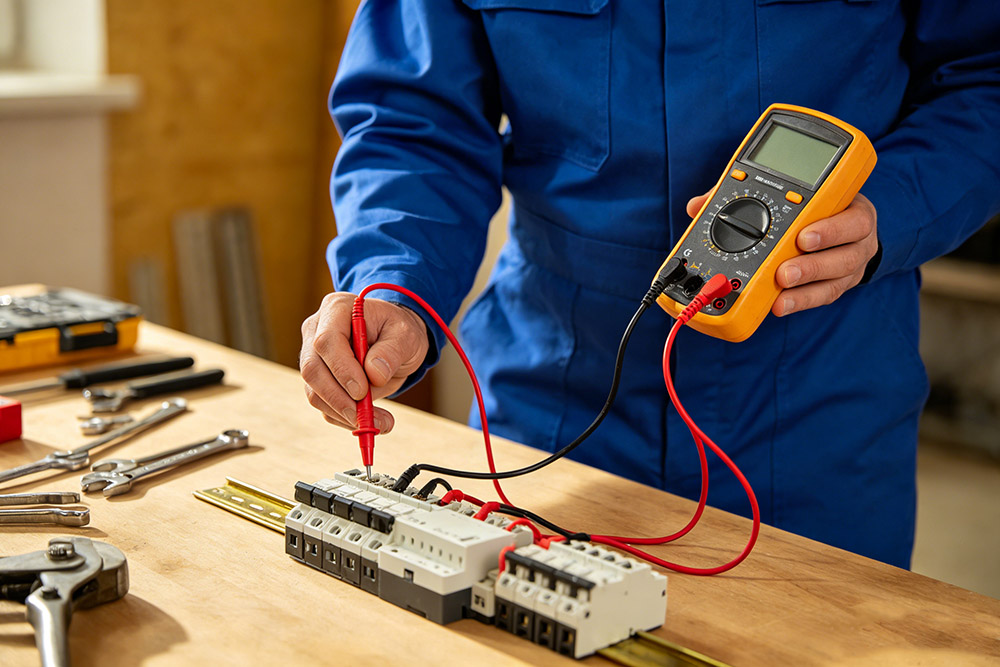
When using a voltmeter, ensure that you select the correct type of voltmeter and that its range is suitable for the voltage being measured. Make sure the connection terminals are secure to avoid poor contact or short circuits. Never measure voltages that exceed the voltmeter’s rated range to prevent damage to the instrument. For digital voltmeters, check that the battery level is sufficient to avoid inaccurate measurements. When using analog voltmeters, avoid excessive vibration or impact, which could obstruct the pointer or cause damage. Additionally, always follow safety protocols, especially when working in high-voltage environments, and wear appropriate protective gear to ensure safety.
Conclusion
Voltmeters are crucial tools in electrical and electronic measurements, used in a wide range of fields. Understanding their types, working principles, and how to correctly choose, calibrate, and maintain them helps ensure accurate measurements and the proper functioning of equipment. Selecting the right voltmeter and performing regular maintenance and calibration will keep it operating reliably for years. Mastering these basics will help you perform electrical measurements more efficiently and safely.
FAQs
Q: What is the difference between a voltmeter and an ammeter?
A voltmeter is used to measure the voltage between two points in a circuit, while an ammeter is used to measure the current flowing through a circuit. A voltmeter is connected in parallel with the circuit, while an ammeter is connected in series.
Q: Why is my voltage reading inaccurate?
Inaccurate readings may be due to improper calibration, poor connections, low battery levels, or the voltmeter’s range not matching the voltage being measured.
Q: How can I improve the accuracy of my voltmeter?
Accuracy can be improved by using a precision digital voltmeter, performing regular calibration, and ensuring the voltmeter is used in an appropriate environment, free from overload and interference.
Q: How do I choose the right voltmeter for my needs?
When choosing, consider the voltage range, accuracy requirements, and budget. If high-precision measurements are needed, a digital voltmeter is a better choice; for everyday measurements, an analog voltmeter may be sufficient.
Q: Does a voltmeter need regular calibration?
Yes, a voltmeter should be regularly calibrated to ensure its measurement accuracy. The calibration frequency depends on usage frequency and accuracy requirements, typically once a year or every six months.