Search
Knowledge Center
How to Select the Right DC MCCB for Solar Power Systems?
Learn how to select the right DC MCCB for your solar power system. Compare rated current, voltage, interrupting capacity for safe, stable operation.
 April 15, 2026
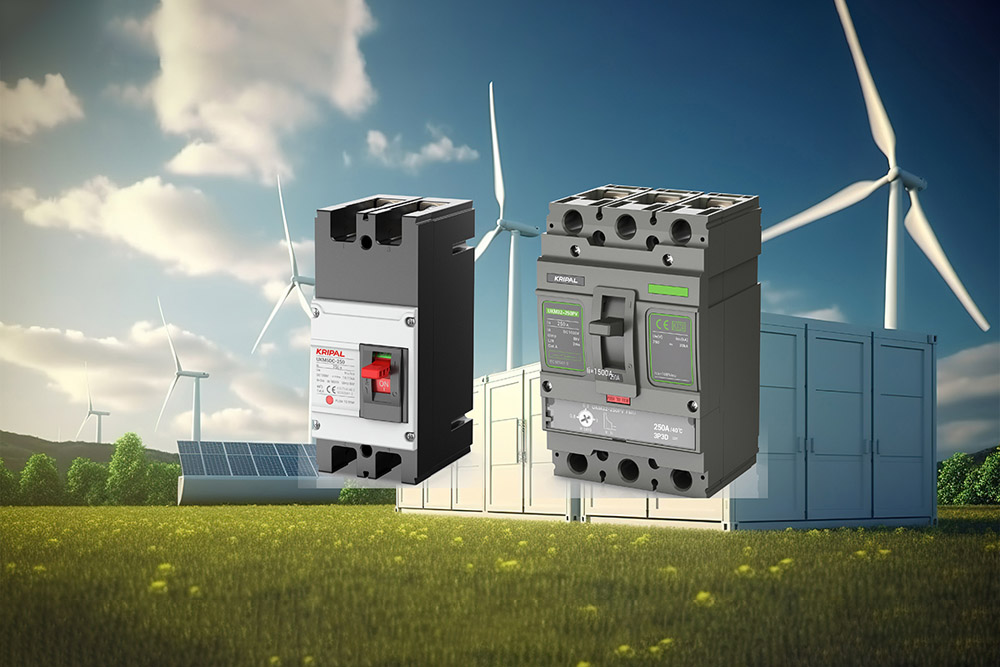
DC MCCBs protect circuits from overload and short circuits. They effectively prevent damage to the system when there is an abnormal current flow. However, selecting the right DC MCCB is not simple and requires consideration of factors such as current, voltage, and interrupting capacity. This article will help you select the most suitable DC MCCB to ensure the safe and stable operation of the system.
Key Takeaways
- Selecting the right MCCB is critical to ensure that the rated current, rated voltage, interrupting capacity, and trip characteristics match the solar system’s requirements, safeguarding the system.
- The size and environment must be considered when selecting the MCCB. The size should fit the installation space, and the MCCB should be designed to withstand environmental factors such as water, dust, and corrosion, ensuring its performance in outdoor settings.
- Choose reliable manufacturers and brands to ensure product quality. Regular maintenance and testing of the MCCB will extend its lifespan and improve the reliability of the system.
What is a Solar Power System?
A solar power system is a system that converts solar radiation into electrical energy through solar photovoltaic panels. It consists of photovoltaic modules, an inverter, battery storage, and other supporting equipment. It is a clean, renewable energy source widely used to reduce carbon emissions and conserve energy.
What is the Role of MCCB in a Solar Power System?
MCCB primarily serves as a protective device in solar power systems. It disconnects the circuit when there is an overload or short circuit, preventing equipment damage or fire risks. Solar power systems often involve large DC currents, so MCCB helps protect key components like photovoltaic modules, inverters, and battery storage systems, ensuring smooth operation. Additionally, it prevents fault currents from spreading to other parts of the system, thus maintaining system stability and ensuring personnel safety. Proper MCCB selection enhances the reliability and safety of solar power systems.
What Performance Factors Should Be Considered When Selecting an MCCB?
When choosing an MCCB for a solar power system, there are several key performance indicators to consider. These factors directly affect the system’s safety, stability, and long-term reliability. Understanding the function of each factor is essential.
Rated Current
The rated current refers to the maximum current that an MCCB can safely carry. When selecting an MCCB, it is important to match the rated current with the load requirements of the solar power system. A rated current that is too low may cause frequent tripping, while one that is too high will reduce the protection effectiveness and fail to disconnect the fault current promptly. Therefore, it is crucial to select an MCCB with a rated current that matches the system’s load.
Rated Voltage
The rated voltage indicates the voltage range that the MCCB can handle. In a solar power system, the rated voltage should be compatible with the DC voltage output from the solar panels and the inverter. Solar power systems typically operate at higher DC voltages, so choosing an MCCB with a suitable rated voltage will ensure the electrical connections are safe and stable.
For modern 1500V DC utility-scale projects, the UKM5DC-400 is the prerequisite choice due to its 1500V rated insulation voltage ($U_i$), ensuring long-term stability in high-voltage energy storage systems (ESS).
Interrupting Capacity
Interrupting capacity refers to the ability of an MCCB to break the circuit during short circuits or overloads. Since the current in a solar system can change abruptly, it is vital to select an MCCB with sufficient interrupting capacity. This ensures the MCCB can handle fault currents and prevent damage to the system or potential safety hazards, such as fires.
Short-circuit levels vary by system size. The UKM32 series offers a High-Breaking (Type H) version with 50kA, providing robust protection for main DC buses where high fault currents might occur.
Trip Characteristics
Trip characteristics define how an MCCB operates to protect the circuit. There are generally two types: thermal-magnetic and electromagnetic. Thermal-magnetic trip characteristics are suitable for handling long-term overload conditions, while electromagnetic trip characteristics are ideal for addressing instantaneous short circuit faults. Depending on the working environment and fault types of the solar system, choosing the correct trip method will enhance the protection efficiency.
To help you visualize these factors, here is a direct comparison between our two flagship DC MCCB series based on the performance criteria mentioned above.
| Technical Feature | UKM32-400PV (Solar Specialist) | UKM5DC-400 (High Voltage Pro) |
| Core Advantage | High Breaking Capacity & Durability | 1500V System Compatibility |
| Rated Current (In) | 300A, 350A, 400A | 250A, 300A, 350A, 400A |
| Max Working Voltage (Ue) | DC 1000V | DC 1500V |
| Rated Insulation Voltage (Ui) | 1000V | 1500V |
| Breaking Capacity (Icu) | Up to 50kA (Type H) / 20kA (Type N) | 20kA (Ics=15kA) |
| Impulse Withstand Voltage (Uimp) | 12kV (Superior Surge Protection) | 8kV |
| Mechanical Service Life | 10,000 Operations | 4,000 Operations |
| Extreme Temp. Range | -40°C to +70°C | -45°C to +70°C |
| Best For | 1000V PV Systems & Inverters | 1500V Utility-Scale PV & ESS |
| Accessories Available | Shunt trip, Auxiliary, Motorized, Handle | Shunt trip, Auxiliary, Motorized, Handle |
What Other Factors Should Be Considered When Selecting an MCCB?
In addition to electrical performance, other factors must also be considered when selecting an MCCB for a solar power system. These factors are just as significant for ensuring smooth installation, operation, and long-term maintenance, all of which affect the system’s safety and stability.
Proper Size
The size of the MCCB must fit the installation space. An MCCB that is too large or too small may hinder the installation process or fail to fit the designated location. Choosing the right-sized MCCB ensures easy installation and does not take up too much space, allowing enough room for other system components.
Environmental Compatibility
Solar power systems are typically installed outdoors or in special environments. Therefore, MCCBs must be able to withstand varying environmental conditions. Temperature, humidity, and corrosive gases may all affect the performance of the MCCB. It is important to select an MCCB with strong adaptability, such as features for water resistance, dustproofing, and corrosion resistance, to ensure its performance in harsh conditions.
Suitable Manufacturer and Brand
Choosing a reputable and reliable manufacturer ensures the quality and performance of the MCCB. Well-known brands usually have strict quality control and technical support. Their products are more likely to be certified internationally (such as IEC, UL, etc.). Therefore, selecting a brand with a good reputation can effectively reduce the risk of purchasing low-quality products.
Ease of Maintenance and Testing
Good maintenance and testing practices are essential for ensuring the long-term stability of the MCCB. Choosing an MCCB that is easy to maintain and test can significantly reduce repair time and costs when faults occur. Ensuring that the MCCB comes with clear manuals for operation and allows for convenient periodic testing and maintenance is an important consideration when selecting an MCCB.
Conclusion: The Right Choice is the Best Choice
In a solar power system, selecting the right DC MCCB is essential for ensuring safe and stable operation. A well-chosen MCCB not only increases the reliability of the solar power system but also extends the lifespan of the equipment, ensuring efficient and continuous operation.
KRIPAL offers a wide range of high-quality MCCBs, all of which are internationally certified. Visit our website to make your selection.
Selection Guide:
- 1000V System? Choose UKM32-400PV for its superior breaking capacity and durability.
- 1500V System? Choose UKM5DC-400 for high-voltage insulation and specialized ESS protection.
- Need Remote Control? Both models support Motorized Operating Mechanisms for smart PV plant management.
FAQs
Q: Why is it important to select the right MCCB for a solar power system?
A: Solar power systems involve high voltage and current devices. Choosing the right MCCB helps prevent overloads, short circuits, and other faults, protecting system equipment and ensuring stable operation.
Q: What electrical performance factors should be considered when selecting an MCCB?
A: When selecting an MCCB, consider the rated current, rated voltage, interrupting capacity, and trip characteristics. Ensure that the MCCB meets the solar system’s operating requirements and fault protection needs.
Q: How should the size of the MCCB be selected?
A: The MCCB’s size should match the installation space. An oversized or undersized MCCB may cause installation difficulties or occupy too much space. Choose the right size to ensure easy installation and enough room for other components.
Q: How does the MCCB handle harsh environments?
A: Solar power systems are often installed outdoors or in special environments. Therefore, choosing an MCCB with features such as water resistance, dustproofing, and corrosion resistance is crucial to ensure it functions effectively in extreme conditions.