Search
Knowledge Center
How Do DC Surge Protectors Safeguard Your Direct Current Systems?
Learn how a DC surge protector safeguards direct current systems. Compare MOV, GDT, TVS, and selection tips for solar, battery, and communication applications.
 April 13, 2026
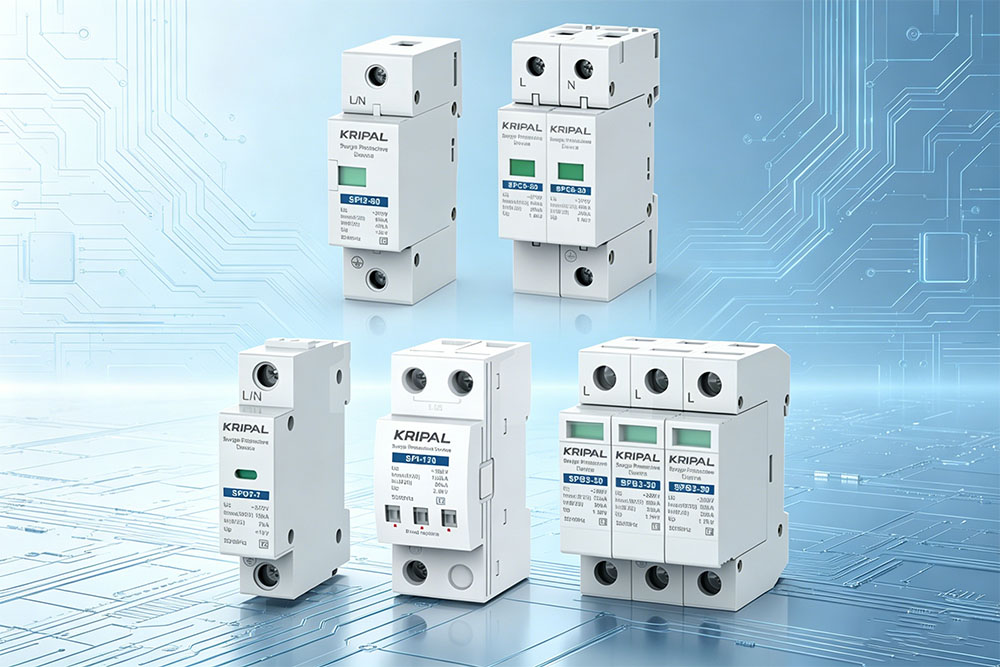
DC surge protectors monitor direct current circuits and reduce voltage spikes that could harm equipment. They help power supplies, control units, and communication devices continue operating without interruptions.
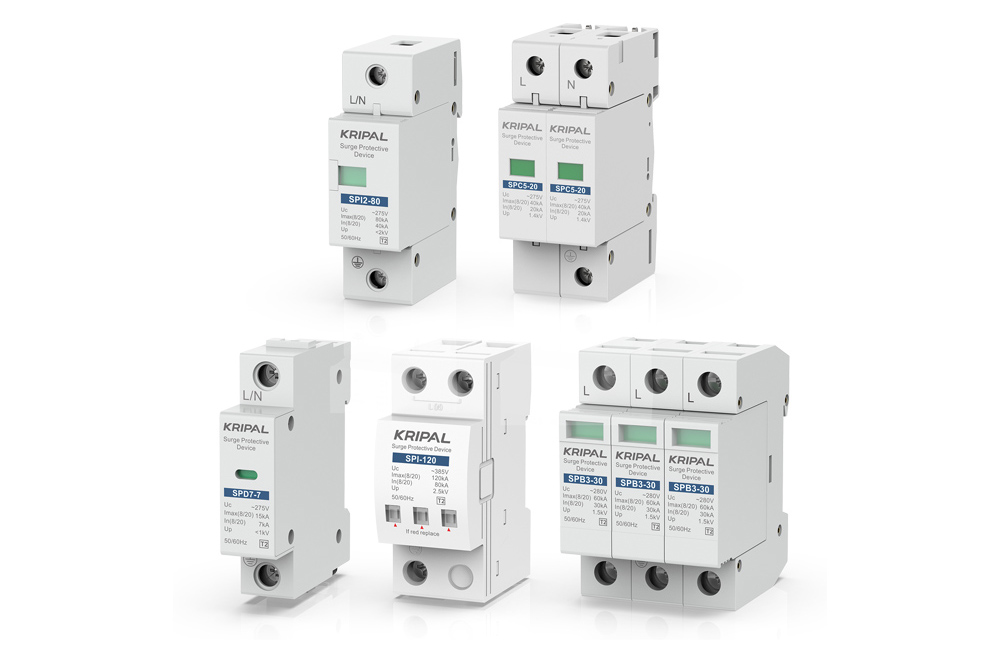
DC systems are widely applied in solar energy, communication networks, battery storage, and transportation. Constant voltage in these systems makes surge protection strategies different from those in AC systems. Protectors handle transient voltage spikes and prevent damage to sensitive electronics and control modules.
Key Takeaways
- DC systems react differently to surges due to constant voltage, which creates continuous stress on protection components.
- Surge events arise from lightning, switch operations, and faults, and can damage devices or stop systems.
- Main protective elements include metal oxide varistors, gas discharge tubes, and transient voltage suppressors.
- Layered protection with main entry, distributed, and device level components can reduce surge energy step by step.
- Compliance with standards and proper installation with good grounding and short wiring improves reliability.
Why DC Systems React Differently to Surges?
Continuous Voltage Challenges
Unlike AC, DC voltage does not cross zero, so protective components remain under continuous stress. This requires surge mitigation elements to withstand both short high energy spikes and prolonged voltage exposure.
Common Surge Sources
- Lightning strikes produce high energy transients that can enter systems through external lines.
- Switching operations and power changes create brief voltage spikes that affect sensitive components.
- Internal faults such as short circuits or sudden load changes can generate sudden voltage increases.
Even short duration surges can damage semiconductors, control modules, and power units, potentially causing operational downtime and increasing repair costs.
How DC Surge Protectors Work?
DC surge protectors continuously monitor voltage and divert or absorb excess energy when voltage rises above safe limits, reducing the level reaching protected equipment.
This process occurs within milliseconds or nanoseconds, preventing high energy transients from damaging devices. Surge energy is absorbed, redirected to ground, or both, ensuring downstream equipment maintains stable operation.
Main Components and Their Roles
DC surge protectors rely on multiple components that work together to reduce the impact of voltage spikes. Each element handles different aspects of surge energy, and their combination ensures that both high energy events and smaller transients are managed effectively. Layered protection allows the system to respond rapidly while maintaining stability for connected devices.
Metal Oxide Varistors (MOV)
MOVs maintain high resistance under normal operating voltage and rapidly lower resistance when voltage rises. This behavior absorbs or bypasses surge energy, protecting downstream devices. MOVs can handle repeated surge events without significant degradation, supporting long term reliability of the protection system.
Gas Discharge Tubes (GDT)
GDTs provide a low resistance path to ground when voltage exceeds a certain threshold. They effectively handle high energy spikes, such as those caused by lightning, and quickly divert energy away from sensitive equipment. Their robustness makes them suitable for extreme transient events.
Transient Voltage Suppressors (TVS)
TVS diodes respond within nanoseconds to clamp overvoltage and protect electronics that are highly sensitive to voltage spikes. They manage fast, short duration transients that could otherwise damage delicate components.
These components are often integrated into a single surge protector to provide multi level defense. By combining MOVs, GDTs, and TVS diodes, the protector can reduce surge energy at various stages, improving the overall resilience of DC systems against voltage transients.
Types and Selection of DC Surge Protectors
DC surge protectors come in different types and offer various specifications to match system requirements. Choosing the right protector depends on the surge energy level, system voltage, and the level of protection needed for connected equipment. The following table summarizes classifications and key considerations for selection.
| Category | Description | Selection Considerations |
| Entry level plus distributed protectors | Reduce high energy surges at system input and comply with international protection standards | Check maximum continuous voltage, rated discharge current, pulse handling capacity, and certification compliance |
| Distributed protectors near equipment | Reduce smaller surges from switches or local faults and provide secondary defense | Ensure short, straight grounding wires, consider response time, and verify suitable surge handling for sensitive devices |
Typical Applications
DC surge protectors are applied across various industries to maintain system stability and prevent equipment damage. The choice of protector and installation strategy depends on the type of DC system, its voltage level, and the sensitivity of connected equipment.
Surge protectors manage both large energy events and frequent smaller transients, ensuring that critical operations continue without interruption.
Solar and Photovoltaic Systems
High voltage DC circuits in solar installations benefit from surge protection, preventing damage to inverters, batteries, and monitoring equipment, and maintaining stable energy production. Properly placed protectors help mitigate surges caused by lightning or switching events.
Battery Storage
High density battery installations face risk from voltage spikes that can damage modules or controllers. Surge protection increases the lifespan of the system and reduces maintenance needs, keeping energy storage reliable over time.
Communication and Industrial Control
Stable DC power supports uninterrupted operation of communication and industrial control systems. Surge protection reduces service interruptions and prevents failures that could impact connected networks or automated processes.
Other applications include electric vehicle charging stations, industrial panels, and backup power systems where DC power stability supports continuous operation.
| System Location | SPD Category | Primary Technology | Best For… | Key Technical Specs |
| Main Service Entrance | Type 1 (Class I) | GDT + High-Capacity MOV | Lightning protection in Solar Farms & Power Plants. | Iimp (10/350µs), Ucpv (Max Voltage) |
| Distribution Panels | Type 2 (Class II) | Metal Oxide Varistor (MOV) | Inverters, Battery Storage, & Industrial Control Units. | In (Nominal Discharge), Up (Voltage Protection Level) |
| Point-of-Use / Sensitive Electronics | Type 3 (Class III) | TVS Diodes + MOV | PLC units, Communication Ports, & Sensors. | Response Time (nₛ), Clamping Voltage |
Installation and Maintenance Tips
Proper installation and ongoing maintenance ensure that DC surge protectors continue to manage voltage spikes effectively. Correct placement, grounding practices, and periodic checks allow the system to respond quickly to transient events while maintaining stable operation. These steps reduce the likelihood of equipment damage and extend the useful life of protection devices.
Proper Installation
Install protectors close to the protected equipment or system entry point. Grounding wires should be short and straight to minimize surge path resistance. Following manufacturer guidelines and international standards improves protection outcomes.
Regular Inspection
Surge protectors degrade over time, especially after repeated events. Monitoring status indicators and replacing units showing wear prevents loss of protection and unexpected equipment damage.
FAQ
Users often have questions about the differences and limitations of surge protectors in DC systems. Understanding these points helps avoid common mistakes and ensures devices receive reliable protection.
Can AC Protectors Replace DC Protectors?
AC units handle alternating waveforms and cannot withstand continuous DC voltage. Using them in DC circuits may cause component failure and reduce protection effectiveness.
Does Distance Affect Protection Performance?
Long paths between the protector and equipment slow response and reduce the ability to absorb or redirect surge energy. Protectors should be installed as close as possible to the equipment they protect.
Conclusion
DC surge protection reduces equipment damage, extends system lifetime, and lowers maintenance costs. Visit our website to explore all innovative Kripol products and solutions, and learn more about DC surge protection and related technologies.