Search
Knowledge Center
How to Choose Surge Protection for AC and DC Systems?
Learn how to choose surge protection for AC and DC systems. Compare SPD types, voltage ratings, and key selection factors for solar, grid, or battery applications.
 April 12, 2026
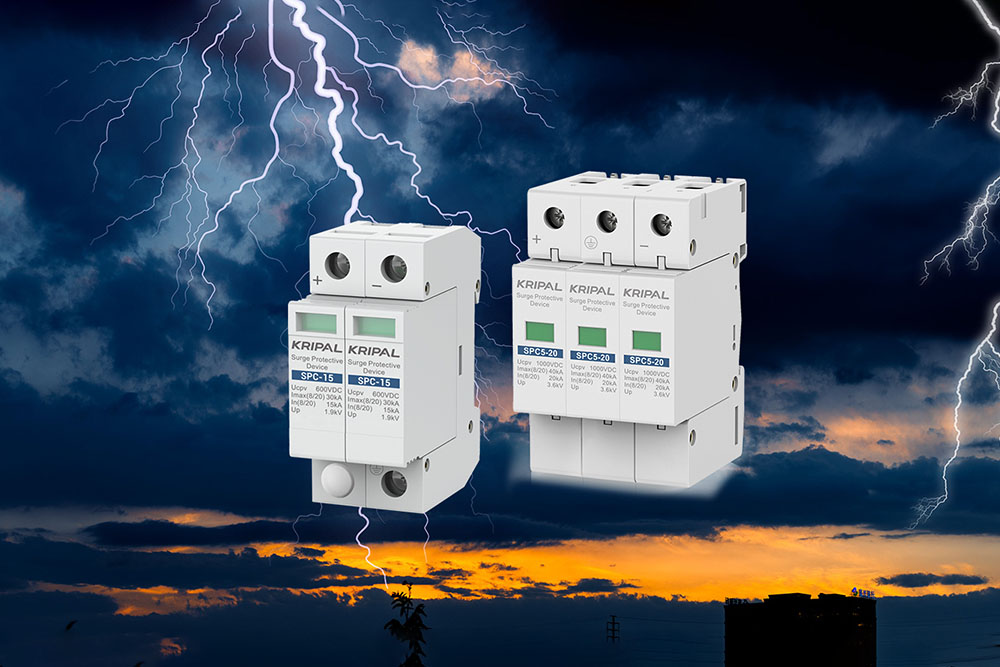
In modern electrical systems, surge protection in both AC and DC environments safeguards equipment and maintains stable operation. The growth of renewable energy, data centers, communication networks, and electric vehicle infrastructure exposes electrical equipment to higher risks from transient overvoltages.
Understanding AC and DC characteristics, surge causes, and proper selection of surge protective devices helps prevent equipment failure, extends system lifespan, and maintains reliable operation. This article explains AC and DC surge behavior, compares protection requirements, and provides practical selection guidance.
Key Takeaways
- Impact of surges: Transient overvoltages can damage electronic components, shorten device lifespan, and trigger system failures.
- AC system behavior: Alternating current fluctuates with cycles and experiences surges from lightning, switching, and grid faults.
- DC system challenges: Direct current has constant polarity, creating higher stress on protective devices.
- AC and DC SPD differences: AC SPDs often use bidirectional MOV or GDT components, while DC SPDs are unidirectional and handle continuous voltage stress.
- Selection principles: Consider the application context, operating voltage, current, and system connection when choosing SPDs.
Understanding Surges and Protection
Modern electrical systems face multiple sources of voltage instability that can threaten both devices and system reliability. Surge events can occur suddenly and often unpredictably, exposing equipment to stress that far exceeds normal operating conditions.
Understanding what constitutes a surge and where these events originate is critical for selecting and deploying protection measures effectively.
Surge Definition
A surge is a brief increase in voltage or current that exceeds normal system limits. These events may last from microseconds to milliseconds but carry sufficient energy to harm semiconductors, circuit breakers, control modules, and other sensitive components.
Even short duration surges can degrade insulation, trigger false alarms, or interrupt operations in industrial and residential settings. Recognizing the transient nature and potential magnitude of surges helps engineers evaluate risk and determine protective strategies.
Common Sources
Surges can stem from external and internal factors. Lightning strikes generate extremely high energy transients that can enter both AC and DC circuits, posing immediate threats to connected equipment.
Switching operations within the grid, such as motors starting or stopping, transformers energizing, or capacitor banks switching, produce transient overvoltages that propagate through the network. Internal faults, including component failure or unintended switching within devices, also create sudden voltage spikes.
Each source contributes differently to the frequency, amplitude, and duration of surges, which informs the choice of surge protective devices.
Impact on Equipment
Transient events can cause direct damage to electrical and electronic components, induce control malfunctions, and increase maintenance demands. Repeated exposure reduces equipment lifespan and may escalate downtime costs.
Understanding the origins, characteristics, and consequences of surges helps plan protection strategies that maintain system reliability and ensure continuous operation.
AC System Surge Protection
AC System Characteristics
Alternating current flows in a sinusoidal pattern and reverses polarity regularly. This behavior affects how voltage and current move during surges and how protective devices react to overvoltages in both directions. System frequency, voltage level, and load distribution also influence how surges propagate and determine protection requirements.
AC Surge Risks
AC systems experience surges from lightning strikes, grid switching, and sudden mechanical load changes. Lightning can induce high energy spikes, grid switching can create fast voltage changes, and abrupt motor or transformer operations may generate transient overvoltages. The magnitude, duration, and frequency of these events vary, guiding the selection and rating of protective devices.
AC SPD Features
AC surge protective devices often include bidirectional MOVs or GDTs to manage surges in both directions of the waveform. Fast response circuits help limit peak voltage and reduce energy stress on connected equipment. Some SPDs also include indicators or monitoring features to signal degradation after repeated surge events, helping maintain reliability over time.
Protection Points
SPDs are most effective when installed at power entry points, distribution panels, and near sensitive equipment. Entry point SPDs prevent external surges from reaching the system, while local SPDs add a secondary layer of defense for critical devices.
Proper placement reduces voltage stress, lowers the risk of damage, and helps maintain stable operation. Regular inspection and replacement of worn devices ensure continued protection.
DC System Surge Protection
DC circuits face different challenges compared with AC systems. The constant voltage and unidirectional flow make surges more demanding for protective devices. Understanding DC characteristics, potential risks, and application contexts helps ensure that protection measures are effective and reliable.
DC System Characteristics
Direct current flows in a single direction and does not naturally cross zero voltage. Surges in DC circuits apply continuous stress on protective devices. This requires devices to withstand prolonged voltage exposure while quickly responding to transient events.
Unique DC Challenges
DC systems encounter several specific challenges. Continuous voltage stress can degrade protective components over time. Applications like solar arrays, energy storage systems, and electric vehicle charging have higher energy levels, which intensify surge impact. The absence of voltage zero crossing makes rapid response and high energy absorption critical for reliable protection.
Typical DC Applications
DC power appears in telecom stations, photovoltaic systems, energy storage setups, and EV charging infrastructure. Installing surge protection lowers the risk of component damage, helps maintain stable operation, and supports long term reliability of these critical systems.
Technical Comparison: AC vs. DC Surge Protection Requirements
A Professional Selection Guide for Power System Engineers
| Feature | AC Surge Protection (SPD) | DC Surge Protection (SPD) | Why it Matters to EPCs |
| Current Behavior | Sinusoidal (Crosses Zero) | Constant (Unidirectional) | Extinguishing Arcs: AC arcs self-extinguish at zero-cross; DC arcs are persistent and dangerous. |
| Typical Standards | IEC 61643-11 / UL 1449 | IEC 61643-31 / EN 50539-11 | Compliance: Ensures the project meets local electrical codes and insurance requirements. |
| Common Applications | Grid Power, Industrial Motors, HVAC | Solar PV, Battery Storage (BESS), EV Charging | Project Scope: Identifies the correct product line for renewable vs. traditional infrastructure. |
| Component Stress | Periodic Stress (50/60Hz) | Continuous Voltage Stress | Reliability: DC SPDs require higher thermal stability to prevent premature failure. |
| Key Metric | Uc (Max Continuous Operating Voltage) | Ucpv (Max Photovoltaic Operating Voltage) | Selection: Prevents “nuisance tripping” or device burnout due to incorrect voltage rating. |
| Grounding Config. | TN, TT, IT Systems | Y-Configuration / Delta | Installation: Dictates how the EPC designs the grounding busbar and wiring layout. |
Selecting Surge Protective Devices
Choosing the right surge protective device involves understanding the system characteristics, placement, and ongoing maintenance needs. Proper selection helps limit damage from transient events and keeps electrical systems operating reliably.
Voltage and System Type
Select AC or DC SPDs based on the operating voltage, current rating, and system configuration. AC SPDs respond to alternating voltage patterns and protect devices from surges in both directions, while DC SPDs must handle unidirectional surges and continuous voltage stress.
Considering these differences ensures the protective device matches the system’s energy and voltage demands.
Installation Location
Placement of SPDs is critical for effective protection. Install devices at power entry points to block external surges from entering the system. Adding SPDs near sensitive equipment provides a secondary layer of protection against residual transients.
In mixed AC/DC systems, consider potential interactions and electrical coupling between lines to ensure coordinated protection throughout the network.
Maintenance
SPD performance can decrease after multiple surge events. Regularly inspect devices for signs of wear or degradation and replace units as needed. Monitoring SPD status helps maintain consistent protection, prevents equipment damage, and supports long term system reliability.
Conclusion
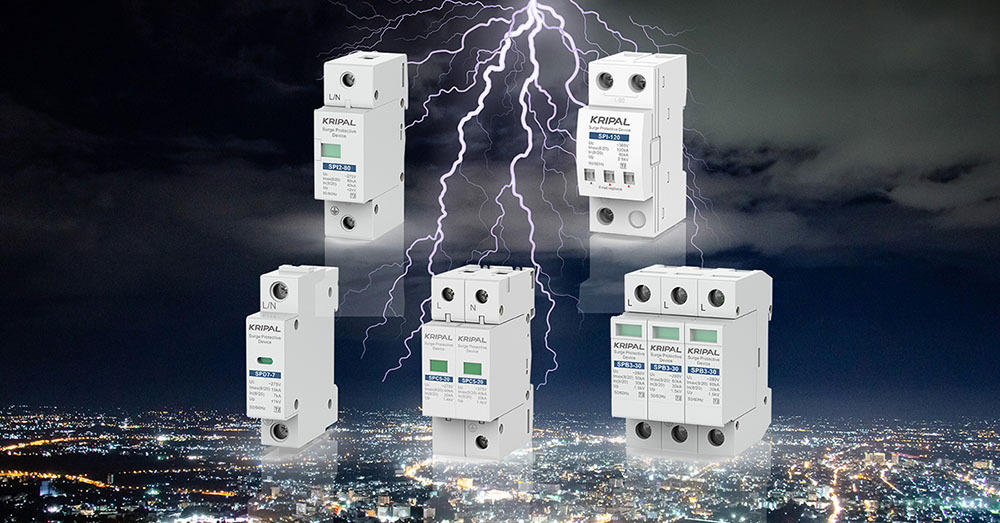
AC and DC surge protection safeguards devices and maintains stable electrical operation. AC protection manages surges from fluctuating voltage cycles. DC protection faces higher stress from continuous voltage and energy. Proper selection, strategic placement, and regular inspection reduce equipment failure, cut maintenance costs, and maintain system reliability.
If you have questions about AC or DC surge protection solutions, our technical team is ready to provide support and guidance.