Search
Knowledge Center
Comprehensive Guide to Float Switches
Learn about float switch types, normally open vs normally closed operation, wiring best practices, and applications for sump pumps, water tanks, and industrial level control.
 March 26, 2026
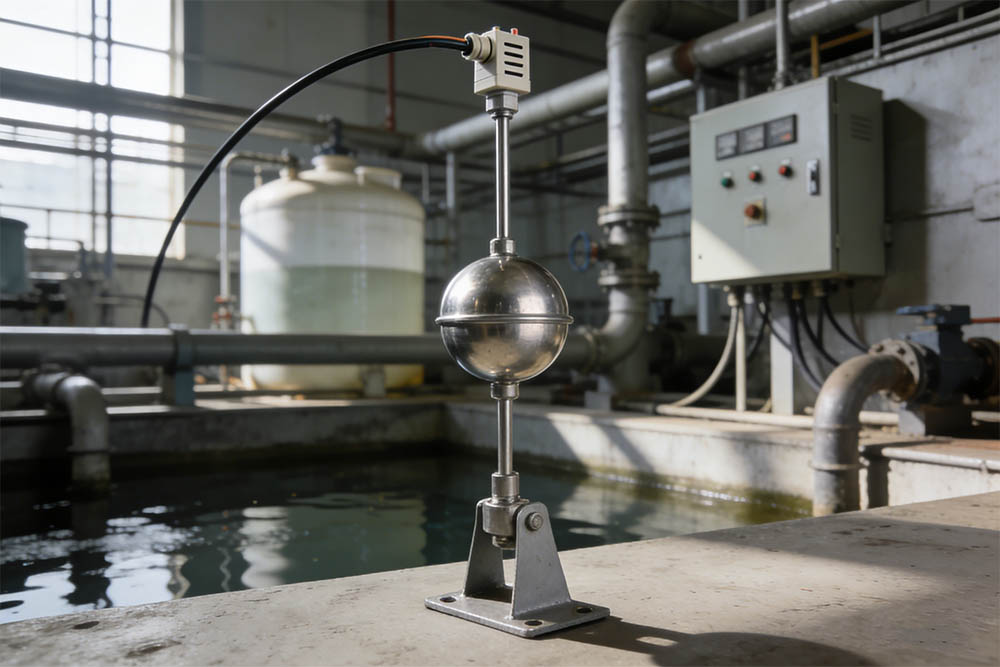
Managing liquid levels effectively is a primary requirement for countless industrial, commercial, and residential systems. If you are preventing a basement from flooding or automating a massive chemical processing tank, reliable fluid detection is non negotiable.
Enter the float switch. In this guide, we will dive deep into what these devices are, the different types available, and how to successfully integrate them into your control systems.
What is a Float Switch?
A float switch is a highly reliable type of contact liquid level sensor that uses a buoyant float to operate an electrical switch. These devices are commonly used to control external equipment such as warning alarms drainage pumps and filling valves whenever a liquid level rises or falls to a specific predetermined point.
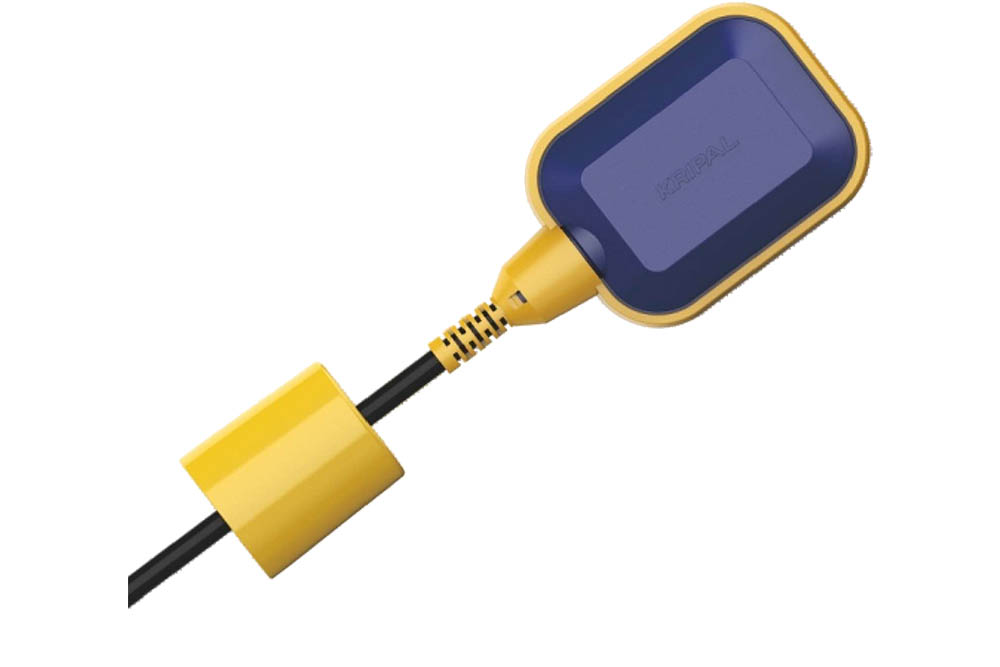
In electrical float switches the movement of the float is used to open and close electrical circuits. Beyond their simplicity float switches are highly sought after by engineers and facility managers because they are cost effective incredibly reliable and can be manufactured to withstand a wide variety of harsh liquids. By utilizing physical buoyancy rather than complex digital sensors float switches provide a fail safe method of liquid management that is immune to many electronic interferences.
When designing a liquid control system engineers generally choose between two primary designs. While both achieve the same goal their physical mechanics suit different environments.
Why IP-Rated Waterproofing Matters for Outdoor Applications
When dealing with outdoor environments, standard float switches are not enough. Exposure to rain, UV rays, temperature fluctuations, and deep submersion requires a specialized outdoor waterproof float switch.
High-quality outdoor switches feature:
- IP68 Ratings: Ensuring the internal micro-switches and wiring are 100% protected against continuous submersion in water.
- Heavy-Duty Cabling: Neoprene or specialized PVC/Rubber cables that resist degradation from UV exposure, freezing outdoor temperatures, and abrasive debris.
- Sealed Housings: Hermetically sealed float chambers that prevent moisture ingress and condensation, which could otherwise short-circuit the internal reed switch.
Types of Float Switches
When designing a liquid control system, engineers generally choose between two primary designs. While both achieve the same goal, their physical mechanics suit different environments.
Stem-Mounted Float Switches
Stem-mounted float switches constrain the movement of the float to a strict up-and-down motion along a rigid central stem. They operate on a one-float-one-level basis. These switches can range from a simple single-point switch with one float, to complex multi-point systems featuring up to seven distinct floats on a single long stem. Single-point stem switches are highly versatile and can be engineered in both vertical and horizontal orientations.
Cable-Suspended Float Switches
Cable-suspended float switches are as free-flowing as the heavy-duty cables they are attached to. An untethered cable-suspended switch will drift as far as the cable allows, utilizing a tether weight to create a pivot point. While they are mechanically straightforward, they are electrically diverse. They can be wired for a single control point or feature more complex internal mechanics that provide built-in hysteresis (a wider gap between the pump turning on and off).
Comparison of Float Switch Types
| Feature | Stem-Mounted Switches | Cable-Suspended Switches |
| Movement | Constrained vertically or horizontally | Free-floating, pivots on a tether |
| Space Requirement | Ideal for tight, restricted spaces | Requires wider clearance to pivot |
| Complexity | Can support up to 7 distinct switch points | Usually 1 to 4 switch points |
| Best Application | Shallow tanks, chemical vats, small appliances | Deep underground sumps, large reservoirs |
How Do Float Switches Work?
The underlying technology behind almost all electrical float switches involves using a magnetic field to open and close a delicate internal reed or micro-switch. This purely mechanical actuation is what gives them their legendary durability.
- In Cable-Suspended Models: Both the magnet and the switch are located inside the heavy plastic float housing. As the fluid level changes, the entire housing tilts. This tilting action causes an internal mechanism (often a heavy metal ball) to roll, triggering the micro-switch. The changing liquid level is instantly translated into a definitive electrical ON/OFF signal.
- In Stem-Mounted Models: A permanent magnet is housed inside the buoyant float. As the liquid level rises or falls, the float travels up and down the stem, passing over a stationary glass reed switch sealed safely inside the stem, forcing the contacts together or apart.
Normally Open Float Switches VS Normally Closed Float Switches
When purchasing a float switch, you must choose between normally open or normally closed operation. (Note Some single point stem mounted switches are user reversible).
“Normally” refers to the resting state of the float its lowest position when it is freely hanging and not supported by liquid. “Open” means the electrical circuit is broken (turned off). “Closed” means the circuit is complete (turned on).
Normally Open Switches
A normally open switch does not allow any electricity to flow when the float is hanging freely in an empty tank. As water flows in and raises the float, the internal contacts close, turning the circuit on. This logic makes normally open switches perfect for High Level alarms and controlling emptying pumps (like sump pumps and sewage lift stations).
Normally Closed Switches
Conversely, a normally closed switch allows electricity to flow when the tank is empty, turning off only when rising liquid lifts the float. They are strictly used for Low Level alarms and filling pumps. For example, turning off an emptying pump before a tank runs completely dry requires a normally open switch, but automatically refilling a reservoir requires a normally closed switch.
Operational Logic Quick Reference
| Switch Type | Resting State (Dry) | Action on Liquid Rise | Best Used For |
| Normally Open (NO) | OFF (Circuit Broken) | Turns ON | Emptying tanks, Sump pumps, High alarms |
| Normally Closed (NC) | ON (Circuit Complete) | Turns OFF | Filling tanks, Maintaining levels, Low alarms |
How To Wire A Float Switch?
Integrating a float switch into your control panel requires care, precision, and adherence to electrical safety standards. Here is a general best-practice overview for wiring a standard float switch:
- Safety First: Always disconnect and lock out the main power supply before beginning any electrical work.
- Identify the Wires: Most modern industrial float switches feature a common wire (often black) alongside a normally open wire and a normally closed wire. Check the manufacturer’s diagram to confirm color coding.
- Use a Motor Relay or Contactor: New Perspective, Never wire a high-voltage industrial pump directly to the delicate micro-switch inside the float. The initial power surge will weld the reed switch contacts together and destroy the sensor. Instead, wire the float switch to a heavy-duty relay or motor contactor. The float switch should only carry the low-voltage “command” signal.
- Test the Logic: Before fully powering the system, use a digital multimeter on the continuity setting. Connect the probes to your selected wires and manually flip the float upside down to verify that the circuit opens and closes exactly as intended.
Float Switch Setup and Installation Best Practices
Physical installation is just as important as proper wiring. Follow these best practices to ensure a long lifespan for your equipment:
- Material Compatibility: Begin by ensuring the float switch material is compatible with the liquid. Stainless steel is required for high temperatures or harsh solvents, while polypropylene is perfect for standard water and sewage.
- Stem-Mounted Tips: Ensure the mount is completely liquid-tight. The stems themselves are not always made for total submersion, and a leak around the mounting thread can ruin the internal wiring.
- Cable-Suspended Tips: Verify that the junction box is mounted well above the absolute high-water mark.
- Ensure the cable reaches the desired lowest switch point without straining.
- Tether the cable to a rigid standpipe to keep the float from drifting into the path of inlet pipes, spinning agitators, or pump impellers.
- Ensure the weight of the cable is supported by a cable clamp so it does not pull directly on the electrical terminals.
Float Switch Applications
Float switches are the go-to solution for point-level detection. Because they come in a vast variety of materials, arrangements, and capabilities, there is a float switch for almost every scenario.
Small, restricted spaces call for miniature stem-mounted switches, while deep, turbulent wastewater pits require heavy-duty cable-suspended models with wide hysteresis bands. Explosive atmospheres or high-pressure processes require switches with specialized intrinsic safety certifications.
Simplifying Industrial Automation
A major, often overlooked advantage of float switches is their ability to reduce complicated automation. While complex facilities require central PLCs (Programmable Logic Controllers) to run everything, smaller applications do not need that level of expensive overhead. Hooking a float switch directly up to a pump-controlling relay can provide all the automation necessary to fill a tank, empty a pit, or trigger a siren.
Common Industry Applications
| Industry / Setting | Typical Application | Recommended Material |
| Residential / Plumbing | Basement sump pumps, HVAC condensate pans | PVC, Polypropylene |
| Water Treatment | Sewage lift stations, municipal holding tanks | Heavy-duty Rubber, Polypropylene |
| Chemical Manufacturing | Highly aggressive acid or alkaline storage tanks | PTFE (Teflon), Kynar |
| Food & Beverage | High-temperature brewing vats, dairy processing | 316L Stainless Steel |
In the end, the type, material, and electrical operation of a float switch come down to what best matches your unique environment. Whether your project is complicated or straightforward, involves a small vessel or a large reservoir, there is a float switch engineered to fit the job.
Secure Your Systems with Kripal Waterproof Float Switches
Selecting the right float switch is a fundamental step in designing any reliable fluid management system. By understanding physical designs, electrical configurations, and the necessity of waterproofing, facility managers can make informed decisions that protect their infrastructure.
Are you ready to upgrade your fluid management infrastructure with industrial-grade reliability? Explore the complete range of Kripal outdoor waterproof float switches. We engineer our heavy-duty, IP-rated solutions to withstand the harshest environmental conditions, ranging from torrential outdoor rain to corrosive wastewater, delivering flawless performance year after year.
Related Resources
Explore Knowledge Center >

Need a matching KRIPAL product?
Share voltage, quantity and destination. An engineer will reply with options and lead time.