Search
Knowledge Center
What Size Wire Do You Need for a 50 Ampere Breaker
Need the right wire size for a 50 amp breaker? Learn 6 AWG copper or 4 AWG aluminum requirements, voltage drop calculations, and safety tips for your electrical project.
 March 22, 2026
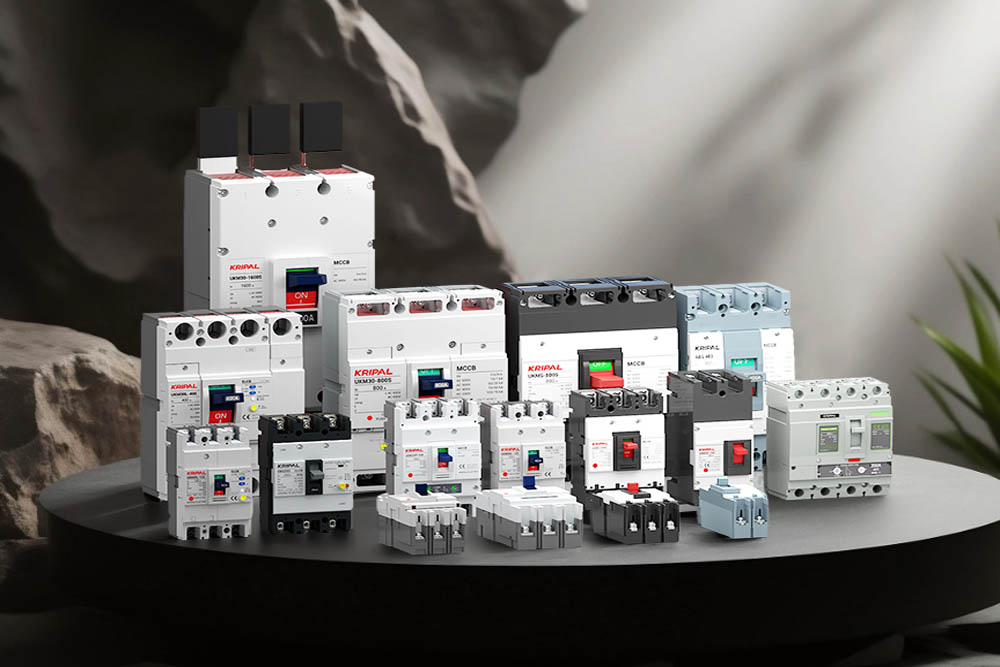
Installing a new high capacity electrical circuit requires absolute precision and correct material selection. Wiring a large appliance or a subpanel incorrectly can lead to severe overheating melted insulation and dangerous electrical fires. If you are wondering what size wire you need to safely support a 50 ampere circuit breaker you have found the right resource. In this comprehensive guide we will explore the exact wire measurements material differences and environmental factors you must consider before starting your electrical project.
The Direct Answer 50 Ampere Wire Size
For a standard 50 ampere circuit breaker you must use a 6 American Wire Gauge copper wire or a 4 American Wire Gauge aluminum wire.
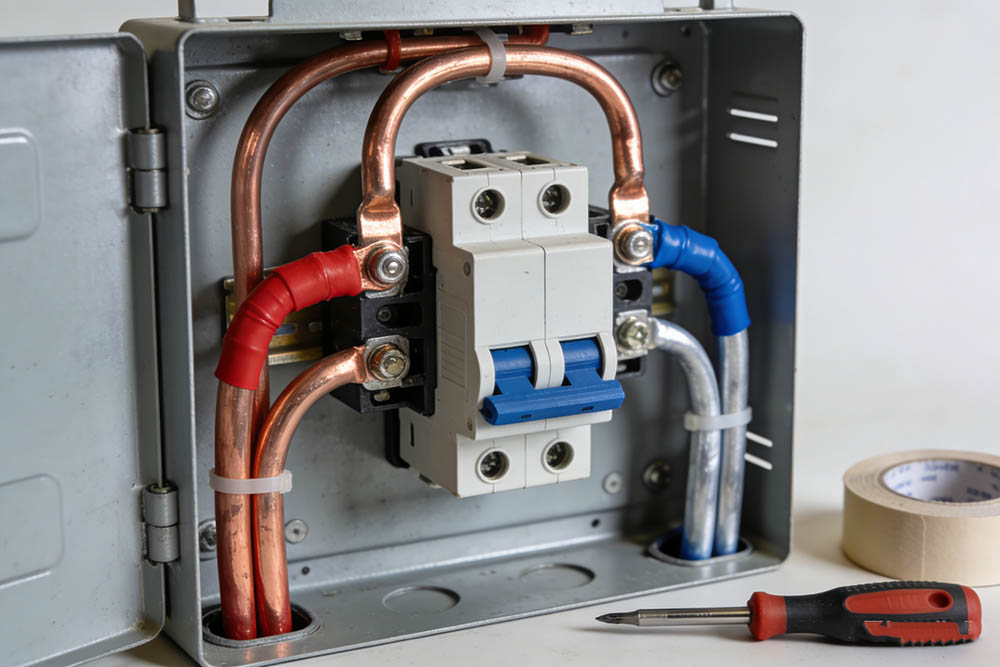
This specific sizing ensures your electrical system operates safely without overheating under normal conditions. The American Wire Gauge system uses inverse numbers meaning a smaller number indicates a thicker wire. Because 50 amperes is a substantial amount of electrical current you need a thick conductor to allow the electricity to flow smoothly with minimal physical resistance.
Temperature Ratings and Wire Sizing
The protective plastic coating around the copper wire dictates how much heat the cable can withstand safely. The National Electrical Code provides specific sizing charts based on the temperature rating of the wire insulation. Thermoplastic high heat resistant nylon coated wire can handle higher temperatures up to 90 degrees Celsius making it perfect for pulling through outdoor conduit. Standard non metallic sheathed cable typically used inside residential wooden walls is only rated for 60 degrees Celsius.
| Insulation Temperature Rating | Required Copper Wire Size | Required Aluminum Wire Size |
| 60 Degrees Celsius | 6 American Wire Gauge | 4 American Wire Gauge |
| 75 Degrees Celsius | 6 American Wire Gauge | 4 American Wire Gauge |
| 90 Degrees Celsius | 8 American Wire Gauge Note Consult local building codes | 6 American Wire Gauge Note Consult local building codes |
Distance and Voltage Drop Guidelines
Distance plays a major role in electrical wiring design. As electricity travels through a long wire it naturally encounters physical resistance which causes the voltage to drop by the time it reaches the appliance. For standard runs up to 50 feet the standard recommendations work perfectly. However if your circuit run exceeds 50 feet you must upgrade to a thicker wire to maintain proper voltage and prevent your expensive appliances from taking internal damage.
| Total Circuit Distance | Recommended Copper Wire Size | Recommended Aluminum Wire Size |
| Up to 50 feet | 6 American Wire Gauge | 4 American Wire Gauge |
| 51 to 100 feet | 4 American Wire Gauge | 2 American Wire Gauge |
| 101 to 150 feet | 3 American Wire Gauge | 1 American Wire Gauge |
| 151 to 200 feet | 2 American Wire Gauge | 0 American Wire Gauge |
Copper Versus Aluminum Conductors
Electricians primarily use two different conductive materials for residential and commercial wiring. Copper offers superior electrical conductivity and extreme physical flexibility making it the primary choice for most indoor projects. Aluminum is significantly more affordable and lighter making it popular for long underground runs but it requires a thicker diameter to carry the exact same electrical current as copper.
| Conductor Material | Standard Wire Size for 50 Amperes | Primary Characteristics |
| Pure Copper | 6 American Wire Gauge | Highly conductive flexible and standard for residential indoor wiring |
| Aluminum | 4 American Wire Gauge | Cost effective lightweight and absolutely requires antioxidant paste at metal connections |
Common Applications for a 50 Ampere Circuit
Homeowners and facility managers typically install 50 ampere circuits to power heavy drawing equipment that a standard wall socket cannot support.
- Electric Cooking Equipment Large residential ranges and double ovens require massive amounts of power to heat multiple elements simultaneously.
- Electric Vehicle Charging Level two electric vehicle chargers draw continuous heavy loads and perfectly utilize a 50 ampere dedicated circuit.
- Recreational Vehicle Power A 50 ampere recreational vehicle hookup provides enough electricity to run two roof mounted air conditioners and standard internal appliances simultaneously.
- Residential Spas Large outdoor hot tubs require substantial power to run massive water pumps and internal heating elements at the same time.
- Remote Subpanels A 50 ampere breaker serves as an excellent feeder circuit for a detached garage or a backyard woodworking shop.
Frequently Asked Questions
Can I use an 8 American Wire Gauge wire for a 50 ampere breaker?
No. An 8 American Wire Gauge wire can only safely handle up to 40 amperes of current. Using it on a 50 ampere circuit creates a severe fire hazard because the thin wire will overheat and melt long before the breaker actually trips.
What size ground wire do I need for a 50 ampere circuit?
You generally need a 10 American Wire Gauge copper wire specifically for the grounding portion of a 50 ampere circuit. Proper grounding protects your expensive equipment and your home structure from sudden electrical faults.
Is aluminum wire safe to use for a 50 ampere residential breaker?
Yes aluminum is perfectly safe as long as you size it correctly to 4 American Wire Gauge and apply appropriate antioxidant compounds at the metal connection points to prevent long term corrosion.
Does a 50 ampere recreational vehicle hookup require specific wiring?
A 50 ampere recreational vehicle receptacle requires four distinct wires including two hot conductors one neutral conductor and one ground conductor. You must use 6 American Wire Gauge copper wire for the main power delivery.
How do I calculate voltage drop for extremely long distances?
For every 100 feet of distance you should generally increase your wire size by one standard step. Moving from a 6 American Wire Gauge to a 4 American Wire Gauge copper wire perfectly compensates for the natural resistance over long underground runs.
Conclusion
Selecting the correct wire size for your 50 ampere breaker represents a fundamental requirement for long term electrical safety. You must use a 6 American Wire Gauge copper wire or a 4 American Wire Gauge aluminum wire for standard installations. Remember to account for continuous loads long physical distances and insulation temperature limits before beginning your wiring project. If you feel unsure about modifying your electrical distribution system always consult a licensed electrician to ensure your installation meets all local building codes and strict safety regulations.
Upgrade your electrical infrastructure with reliable heavy duty protection today. Explore our complete selection of premium circuit breakers and modern distribution boards at Kripal. We engineer all circuit protection devices to meet strict global safety standards for both residential and commercial projects. Visit our online catalog to find the exact components you need to support massive continuous loads safely and efficiently.
Related Resources
Explore Knowledge Center >


Need a matching KRIPAL product?
Share voltage, quantity and destination. An engineer will reply with options and lead time.