Search
Knowledge Center
Consumer Unit Versus Distribution Board: Understanding Electrical Panels and Surge Protection
Understand the differences between consumer unit vs distribution board. Learn about residential vs commercial electrical panels, surge protection, and how to choose the right system.
 March 21, 2026
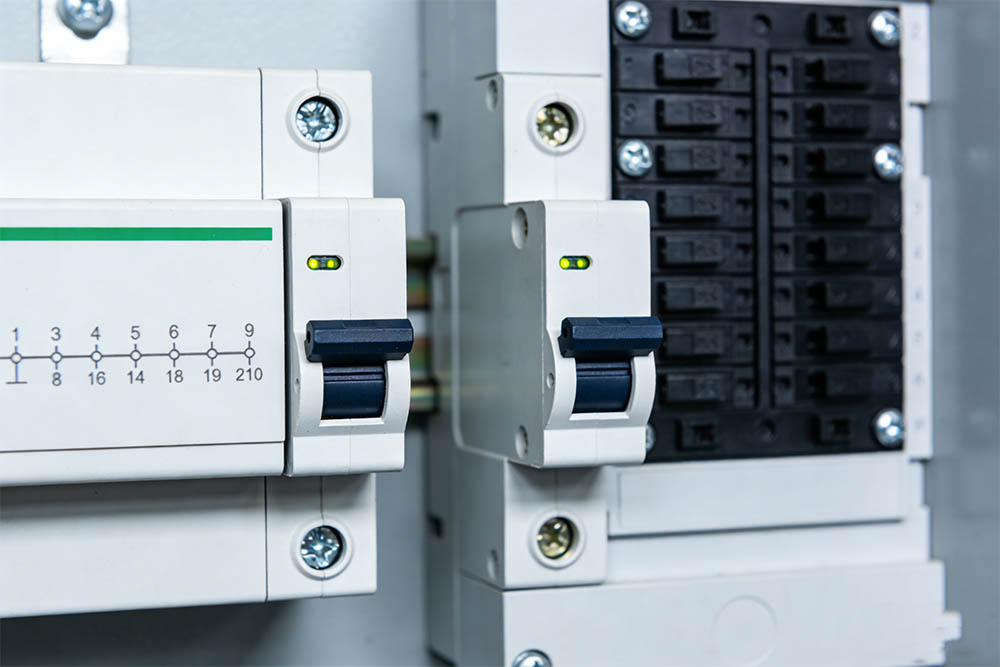
Designing and maintaining a safe electrical infrastructure requires precise terminology and correct equipment selection. Facility managers and electrical engineers often hear specific panel names used interchangeably across the industry. However residential and commercial electrical panels serve completely different environments and demand distinct engineering approaches.
Fundamentally all consumer units act as distribution boards but not all distribution boards function as consumer units. In this technical guide we will explore the precise operational differences between these two systems and explain exactly how a surge protection device integrates into both formats to safeguard expensive infrastructure.
Understanding the Fundamentals of Electrical Panels
Before comparing the two systems we must define their primary engineering purposes. Both panels share the exact same basic goal of distributing electricity safely but manufacturers engineer them for entirely different scales of operation and load demands.
What is a Consumer Unit?
A consumer unit is a highly specialized type of distribution board designed specifically for residential use. Electricians install these centralized panels in domestic homes to manage standard single phase power efficiently.
These compact units typically house standard safety components like miniature circuit breakers and residual current devices to protect homeowners from electrical shocks and system overloads. Their primary design focus remains simple operation clear labeling and maximum domestic safety.
For more information, you can red our Guide to Consumer Units.
What is a Distribution Board?
A distribution board serves as a much broader industrial grade term for powerful panels controlling high load electrical systems. Engineers specify these massive units for commercial properties large office buildings and heavy manufacturing factories.
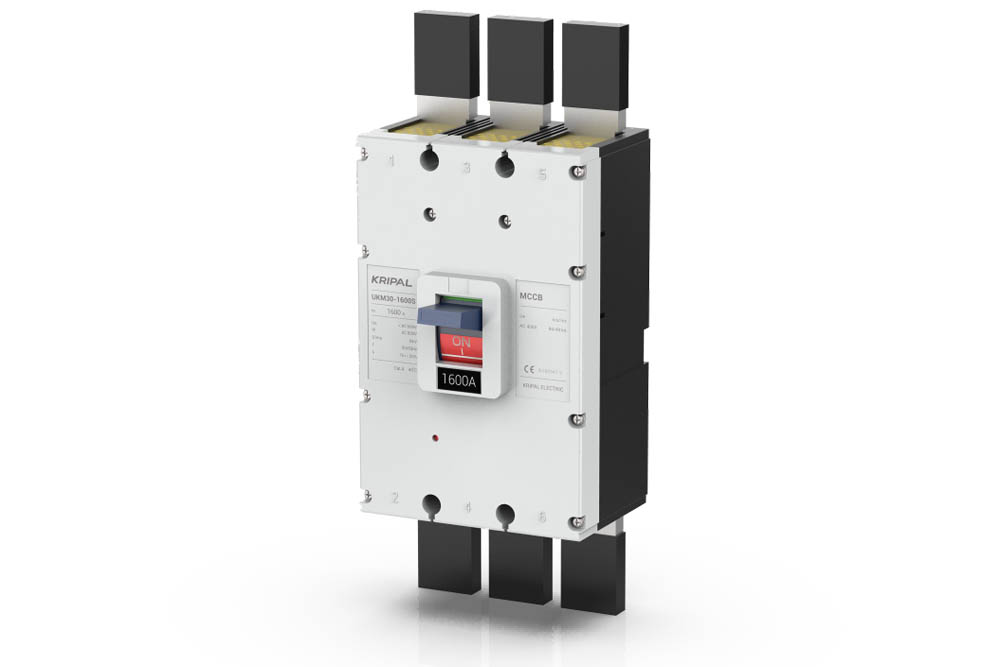
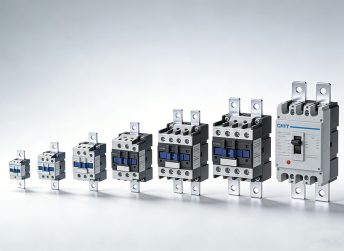
They excel at managing complex multi phase power setups. Because industrial environments draw enormous amounts of electricity continuously these boards contain heavy duty protective components like moulded case circuit breakers which can handle massive electrical faults safely without melting or degrading.
The Primary Differences Between Both Systems
Understanding the exact boundary between residential and commercial electrical panels helps facility managers make correct infrastructure purchasing decisions. We can break down the physical and operational differences into three primary categories.
Target Application and Operating Environment
Electricians install consumer units almost exclusively in standard homes and small residential apartments. The metal enclosures are usually compact and visually unobtrusive to blend into domestic spaces. Engineers deploy distribution boards in massive factories corporate offices and expansive commercial buildings where the physical size of the metal enclosure is much larger to accommodate extensive heavy industrial wiring.
Load Capacity and Power Phase
Residential units handle much lower overall amperage and manage a relatively small number of circuits using standard single phase power systems. Commercial boards manage incredibly high electrical loads and can route power to hundreds of complex sub circuits using powerful three phase power systems required for running heavy manufacturing machinery and massive heating and ventilation systems.
Internal Protective Components
Domestic panels rely on miniature circuit breakers for standard daily protection against overloaded wall sockets and standard lighting circuits. Commercial panels require extremely robust moulded case circuit breakers to handle the massive short circuit currents generated in heavy industrial environments where machinery draws enormous amounts of power.
| Comparison Category | Consumer Unit | Distribution Board |
| Target Application | Residential homes and small apartments | Factories corporate offices and commercial buildings |
| Power Phase | Single phase power systems | Three phase power systems |
| Load Capacity | Lower overall amperage and fewer total circuits | Extremely high loads and massive sub circuit networks |
| Primary Components | Miniature circuit breakers and residual current devices | Heavy duty moulded case circuit breakers |
The Role of a Surge Protection Device
Voltage spikes present a massive threat to any electrical infrastructure. Lightning strikes and massive power grid fluctuations can send a dangerous surge of electricity through your wiring. This sudden spike will instantly destroy sensitive electronics and expensive machinery. Both residential and commercial panels absolutely require robust surge protection devices to safeguard the attached equipment.
Protecting Domestic Electronics
In a domestic setting these protective devices shield expensive televisions computer systems and smart home appliances from sudden electrical destruction. Installing a surge protection device in a consumer unit provides ultimate peace of mind for homeowners protecting their valuable personal property from unpredictable weather events.
Safeguarding Industrial Machinery
In a commercial environment surge protection devices protect massive server farms robotic manufacturing arms and entire corporate networks. Modern electrical safety regulations globally mandate the inclusion of these protective components across industrial installations to prevent catastrophic financial losses and massive operational downtime.
Conclusion
Selecting the correct electrical control panel remains a fundamental requirement for ensuring total property safety. While a standard residential consumer unit perfectly protects a family home complex commercial facilities demand the massive capacity of an industrial distribution board. Both systems require modern surge protection devices to defend against unpredictable electrical spikes. By understanding these precise engineering distinctions property owners and facility managers can ensure their electrical infrastructure remains totally secure and fully compliant with modern safety regulations.
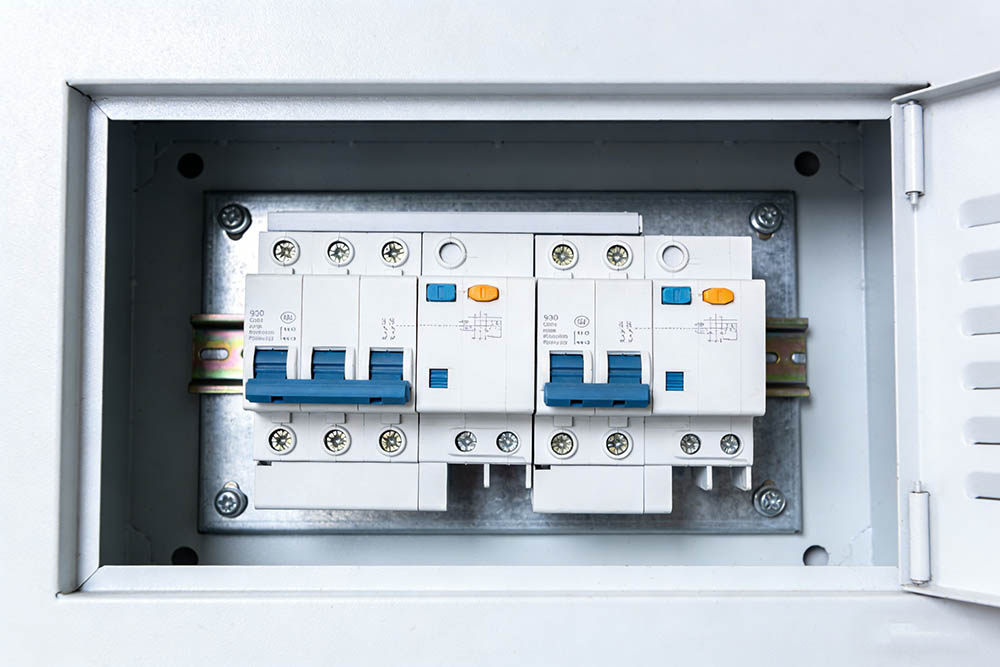
Are you ready to upgrade your electrical distribution system with premium manufacturing reliability? Explore our complete range of modern solutions today. We engineer our advanced circuit protection devices to meet the highest global safety standards and deliver flawless performance for both residential and commercial properties. Contact our expert engineering team to find the exact electrical enclosure that matches your specific project requirements and let us help you secure your facility for decades to come.
Related Resources
Explore Knowledge Center >
Need a matching KRIPAL product?
Share voltage, quantity and destination. An engineer will reply with options and lead time.