Search
Knowledge Center
What Is an AC Contactor in Electrical Systems?
Learn what an AC contactor is and how it functions in electrical systems. Explore its components and applications to understand what is an AC contactor.
 January 09, 2026
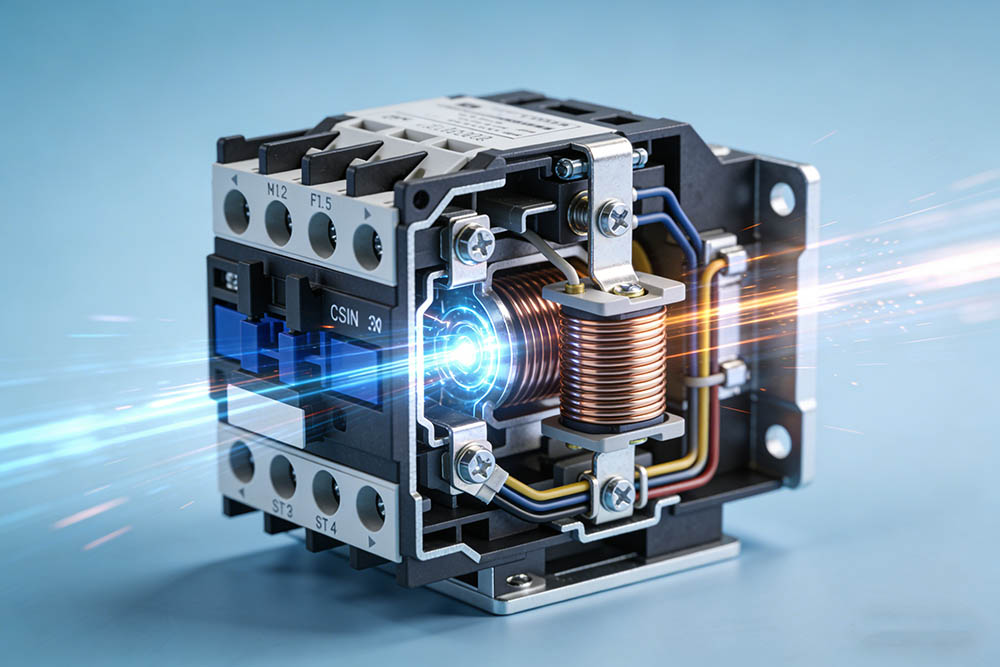
An AC contactor is a key switching device used in many electrical systems to control large alternating current loads. If you work with HVAC units, industrial motors, or automation control panels, understanding what an AC contactor does and how it works helps with choosing the right components and troubleshooting system behavior.
KEY TAKEAWAYS
- Definition: An AC contactor is a powered switch that controls current to large electrical loads
- Function: It opens and closes circuits based on control signals
- Operation: Uses an electromagnet to move contacts when energized
- Use Cases: Widely used in HVAC, industrial motors, lighting and automation
- Selection: Right ratings and coil voltage help match application needs
In this guide, we break down how AC contactors work, how they are built, where they are used, and how to choose the right one. If you need reliable contactors, Kripal supplies a range of contactor options for various applications.
AC Contactors: Definition, Structure, and Operation
AC contactors are widely used in electrical systems to control large alternating current loads. Understanding what they do and how they operate helps in choosing the right contactor for a system and maintaining reliable operation. The following sections describe their purpose, basic operation, and internal structure.
Definition and Purpose
An AC contactor is an electrically controlled switch that manages high current alternating current loads. It works like a heavy-duty relay, controlling large power circuits rather than small signals. Typical applications include motors, compressors, pumps, and industrial machinery.
How It Operates
When a control signal energizes the coil, an electromagnetic field forms and pulls the movable contacts together. This closes the circuit and allows current to flow to the load. When the coil is de-energized, a spring separates the contacts and opens the circuit. AC contactors are designed to handle frequent switching and can manage high inrush currents from motors and other inductive loads.
Main Components
- Electromagnetic Coil
The coil becomes magnetized when current flows through it, creating a magnetic field that moves the internal armature. - Movable and Fixed Contacts
Contacts are metal parts that either touch to allow current flow or separate to stop it. Fixed contacts remain stationary while movable contacts are driven by electromagnetic force. - Arc Suppression Components
When contacts open under load, electrical arcs may form. Many contactors include features that reduce arcing and extend the life of the contacts. - Housing and Mounting
The outer casing protects internal components and allows safe mounting on panels or DIN rails.
Key Features
Before selecting a contactor, it is useful to consider several key characteristics. These include the rated current, coil voltage, number of poles, and whether auxiliary contacts are included to provide feedback to controllers or circuits. Understanding these features helps in matching a contactor to the requirements of a system.
- Rated current defines the maximum continuous current the contactor can carry
- Coil voltage and control signal determine compatibility with the control system
- Number of poles depends on whether single-phase or three-phase loads are switched
- Some models include auxiliary contacts to provide feedback to controllers or circuits
Key Features of AC Contactors
AC contactors share several common features. These help determine which model is right for a given application.
Rated Current
This is the maximum current the contactor is designed to carry continuously.
Coil Voltage and Control Signal
Contactors are controlled through the coil. Coil voltage may vary depending on control systems, such as 24V AC/DC, 110V, 230V or other standards.
Number of Poles
Contactors can have two, three or more poles depending on whether they switch single phase or three phase loads.
Auxiliary Contacts
Some contactors include extra small contacts to send feedback to controllers or other parts of a circuit.
Types of AC Contactors
AC contactors come in several types designed for different applications and load requirements. Knowing the differences helps select the right contactor for the system.
Standard AC Contactors
Standard AC contactors are general-purpose devices for switching typical loads under normal conditions. They handle a range of voltages and currents and are commonly used in lighting systems, HVAC units, and industrial motor circuits. They provide reliable operation for everyday applications.
Definite Purpose Contactors
Definite purpose contactors are designed for specific equipment such as air conditioners or single-purpose machines. They are compact and optimized for the voltage and current of the equipment, offering consistent performance in limited space.
IEC Contactors
IEC contactors follow international standards, making them suitable for industrial applications with higher voltage or current requirements. They allow standard mounting and accessory options, and can handle single-phase or three-phase loads.
Motor Starters
Motor starters combine AC contactors with overload protection to control motors safely. They handle high inrush currents during motor startup and are used in pumps, fans, conveyors, and other motor-driven systems.
Summary of AC Contactor Types
The following table provides an overview of the main types of AC contactors, highlighting their voltage and current ranges, typical applications, and key features. This summary helps in comparing the different options and selecting the right contactor for a specific system.
| Type | Voltage Range | Current Range | Applications | Features |
| Standard AC | 24V to 600V AC | 10A to 200A | Lighting, HVAC, general motors | Reliable, flexible for general use |
| Definite Purpose | 120V to 480V AC | 5A to 50A | Air conditioners, refrigeration | Compact, optimized for specific equipment |
| IEC | 24V to 690V AC | 10A to 400A | Industrial motors, heavy loads | Standardized, durable, flexible mounting |
| Motor Starters | 120V to 600V AC | Matches motor rating | Pumps, fans, conveyors | Overload protection, high inrush handling |
Where AC Contactors Are Used
AC contactors are used in a variety of systems. The type of contactor determines its application and suitability for different loads and environments. The following sections describe the main settings where AC contactors are commonly used.
HVAC Systems
In heating, ventilation, and air conditioning systems, contactors control electricity to compressors, condenser fans, and blowers. They switch circuits based on signals from the thermostat or control panel, ensuring smooth operation and consistent performance.
Industrial Motors
Contactors control motors in conveyors, pumps, compressors, and other machinery. They allow safe start and stop of large electrical loads, reduce faults, and protect equipment from overload and high inrush currents.
Lighting and Power Distribution
Large lighting systems or high-power loads are switched using contactors. They can handle higher currents than ordinary switches, making them suitable for commercial lighting, stadiums, and other installations with multiple circuits.
Automation Systems
Contactors work with PLCs and relays to control motors, pumps, and other loads automatically. Choosing the right contactor for the system voltage and current ensures consistent operation and lowers maintenance needs.
How to Choose an AC Contactor
Selecting the right AC contactor requires matching it to your system and the type of load. Consider the following points:
- Match Voltage and Current Ratings
Make sure the contactor’s rated current is higher than the expected load. This ensures reliable switching and prevents overload. - Coil Voltage Compatibility
The control circuit should match the coil voltage of the contactor. This allows the coil to energize correctly and operate the contacts smoothly. - Check for Suitable Mounting Style
Choose between DIN rail or panel mount depending on the control panel design. Proper mounting ensures stable installation and easy maintenance. - Consider Auxiliary Contacts
If the system requires feedback to controllers or other circuits, select a contactor with auxiliary contacts. - Design for Frequent Switching
For applications with high inrush currents or frequent operation, choose a contactor rated for those conditions to ensure a longer service life.
AC Contactor Wiring Basics
While wiring should always follow local codes and safety standards, understanding basic wiring helps during installation and troubleshooting.
Power Circuit
Connect the power lines through the main contact poles.
Control Circuit
Connect the coil to control voltage so that the coil energizes only when the system wants to switch on the load.
Auxiliary Circuits
Use auxiliary contacts for control logic or status indicators. Always make sure that power is off before working on wiring to avoid shocks or damage.
Comparison: AC Contactor vs Relay
AC contactors and relays may look similar, but they serve different purposes.
| Feature | AC Contactor | Relay |
| Current Capacity | High current loads | Low current signals |
| Typical Use | Motors, HVAC, industrial loads | Control panels, logic signals |
| Mechanical Size | Larger | Smaller |
| Switching Frequency | Designed for frequent operations | Best for low duty use |
Use a relay for signal switching and a contactor when switching loads like motors or heaters.
Maintenance Tips for AC Contactors
Proper maintenance helps extend the life of an AC contactor and keeps the system operating reliably. Key maintenance steps include:
- Inspect Contacts
Check for pitting, discoloration, or signs of wear. These issues can reduce conductivity and increase heat. - Check Coil Operation
Make sure the coil energizes and releases smoothly without sticking or hesitation. - Clean Mechanical Parts
Remove dust, debris, or other buildup that may interfere with contact movement or mechanical operation. - Tighten Terminals
Ensure all connections are secure. Loose terminals can generate heat and cause premature failure. - Perform Routine Checks
Regular inspection and maintenance reduce unexpected downtime and improve overall system reliability.
Frequently Asked Questions About AC Contactors
What size contactor do I need for my motor
Match the contactor’s rated current to the motor’s full load amps and consider starting current. Check nameplate ratings and consult manufacturer tables.
Can contactors switch DC loads
AC contactors are designed for alternating current loads. For DC loads, choose a contactor rated for DC switching.
How long does a contactor last
Life depends on switching frequency, load type and maintenance. With proper selection and care, many contactors serve for years.
What happens if a contactor fails
A failed contactor may not close or open properly, causing the equipment to not start or not stop. Replace worn contactors promptly.
Why do contactors make noise
A low hum is normal when the coil is energized. Loud buzzing may be a sign of coil or mounting issues.
Choosing the Right AC Contactor
AC contactors are reliable switches that control large alternating current loads. They use an electromagnet to move contacts, allowing current to flow when the system requires it and stopping it when it does not. These devices are commonly used in HVAC systems, industrial motors, lighting circuits, and automation panels.
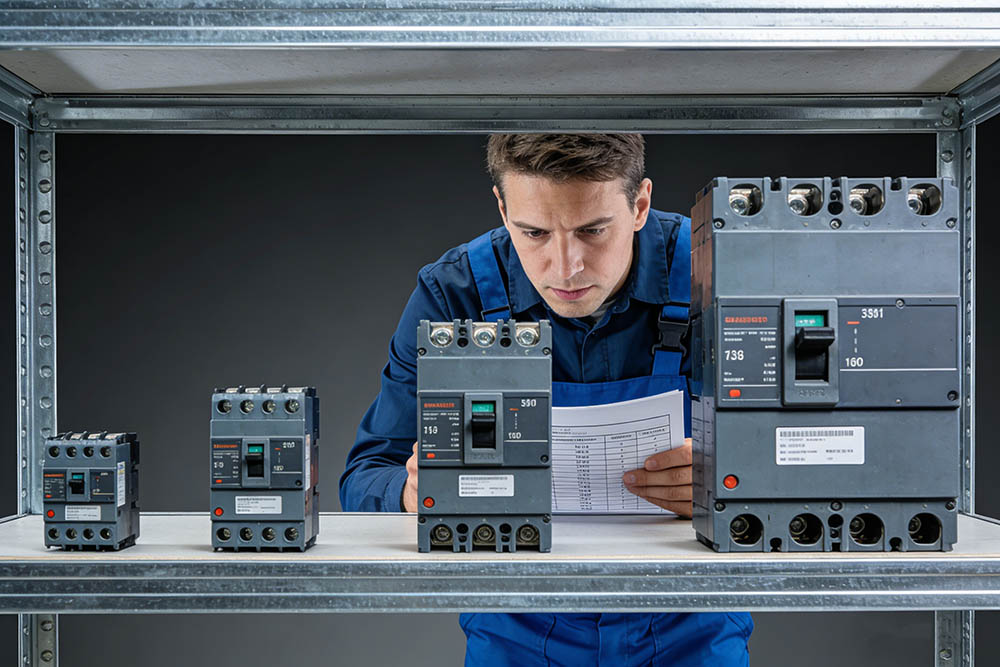
Understanding how contactors operate and selecting the appropriate type helps maintain stable system performance and protects connected equipment. Kripal provides a wide range of AC contactors and related components for HVAC, industrial, and control panel applications. Our products are designed to match different voltages, currents, and operational needs. For expert advice and to find the right products for your application, contact our professional team.
Related Resources
Explore Knowledge Center >
Need a matching KRIPAL product?
Share voltage, quantity and destination. An engineer will reply with options and lead time.