Search
Knowledge Center
What Are the Signs of a Failing AC Contactor?
Is your AC acting up? Learn the common signs of a failing AC contactor, including buzzing noises, pitting, and system issues. Discover when to replace it.
 January 08, 2026
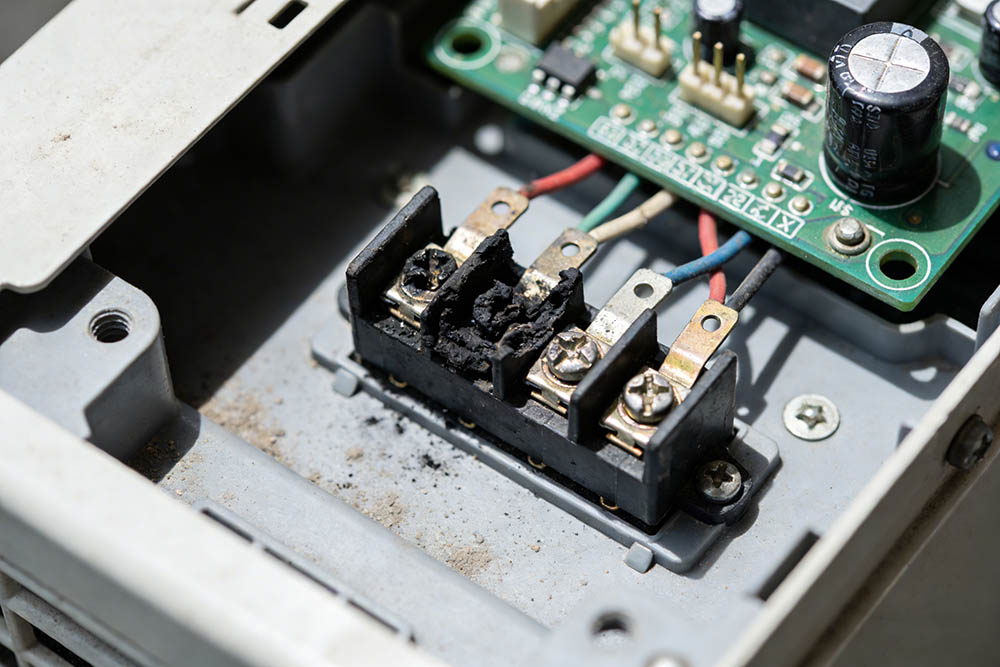
When an air conditioning system refuses to start or begins acting strangely, the problem often traces back to a small but hardworking component inside the unit. That component is the AC contactor.
An AC contactor is an electromechanical switch that controls the flow of electricity to major parts of the system such as the compressor and fan motor. It switches high current loads on and off based on signals from the thermostat. When it begins to fail, the symptoms usually show up before total shutdown.
KEY TAKEAWAYS
- Definition: An AC contactor is a heavy duty electrical switch used in HVAC systems
- Function: It connects and disconnects power to compressors and motors
- Warning Signs: Buzzing sounds, overheating, pitted contacts, or failure to start
- Diagnosis: Visual checks and basic electrical testing help identify problems
- Replacement: Selecting the correct rated contactor supports stable operation
Understanding how a contactor works and how it fails helps technicians and buyers avoid unexpected system downtime.
What Is an AC Contactor
An AC contactor is designed to switch high current electrical loads safely and repeatedly. In air conditioning systems, it controls the power that runs the compressor and condenser fan motor.
When the thermostat signals that cooling is needed, low voltage power energizes the contactor coil. This creates a magnetic field that pulls internal contacts together. Once closed, the contacts allow high voltage electricity to flow to the load.
When cooling demand ends, the coil loses power and the contacts open, stopping the current.
This simple switching process may happen dozens of times a day during hot weather.
How an AC Contactor Works
Inside a typical AC contactor you will find three main parts:
- Coil: An electromagnet that activates the switching action
- Contacts: Metal pieces that open and close the power circuit
- Housing: Insulated frame that holds components in place
Here is the operating sequence:
- Thermostat calls for cooling
- Control voltage energizes the coil
- Magnetic force pulls the contacts closed
- High voltage power flows to the compressor and fan
- Thermostat is satisfied and coil de-energizes
- Contacts open and power stops
Because this process repeats frequently, contact wear is expected over time.
Types of AC Contactors
Choosing the right AC contactor depends on the type of system, the voltage and current requirements, and the application environment. Different contactors are designed to meet specific needs in residential, commercial, and industrial settings.
Single Pole Contactors
Single pole contactors are commonly used in residential systems where only one power line needs to be switched. They are compact and suitable for smaller electrical loads, providing reliable switching for basic applications.
Double Pole Contactors
Double pole contactors are often found in central air conditioning systems and other applications where two power lines need to be switched at the same time. These contactors provide stable operation and are widely used in medium-sized systems.
Three Phase Contactors
Three phase contactors are used in commercial and industrial systems that operate on three phase power. They can handle higher loads and provide reliable switching for motors, compressors, and other large equipment.
Definite Purpose Contactors
Definite purpose contactors are designed specifically for HVAC applications. They are compact, cost effective, and optimized for common heating and cooling equipment. These contactors are ideal for applications where space is limited and reliable performance is required.
IEC Contactors
IEC contactors are built according to international standards and are suitable for industrial environments. They offer flexible mounting options and can be used with a variety of accessories. IEC contactors are designed to meet higher voltage and current requirements while providing long-term reliability in demanding applications.
Selecting the correct contactor requires considering the system type, the electrical load, and the environment in which it will operate. Choosing the right contactor ensures stable operation, reduces maintenance needs, and provides a longer service life for the system.
Common Signs of a Bad AC Contactor
A contactor rarely fails without showing warning signs. Early detection of these symptoms can prevent serious issues such as compressor damage or unexpected system shutdowns. The following are common signs that a contactor may be starting to fail.
1. Loud Buzzing or Humming
A properly functioning contactor should make a brief click when engaging or disengaging. Continuous buzzing or humming noises may indicate a weak coil, worn internal components, or loose connections. If left unaddressed, this can lead to further wear and eventual failure of the contactor.
2. Burn Marks or Pitted Contacts
Electrical arcing occurs each time the contacts open or close. Over time, this can cause pitting, carbon buildup, and discoloration on the contact surfaces. Severe pitting increases electrical resistance, generates heat, and reduces the efficiency of the circuit, potentially leading to more significant damage.
3. Overheating
If the contactor feels unusually hot to the touch or emits a burnt smell, it may be experiencing excessive internal resistance. This is often caused by worn or damaged contacts. Overheating can accelerate component wear and may eventually result in system failure if not addressed.
4. AC Unit Fails to Start
When the thermostat calls for cooling or heating but the outdoor or indoor unit does not engage, it may indicate that the contactor is not closing properly. This failure prevents current from reaching the compressor or fan motor, compromising the system’s operation.
5. Contacts Sticking
In some cases, excessive electrical arcing can cause the contacts to weld together. This results in the unit running continuously, even when the system should be off. Sticking contacts can increase energy consumption, strain other components, and create a safety hazard if not repaired promptly.
Recognizing these warning signs early allows technicians and system operators to take corrective action, avoiding costly repairs, reducing downtime, and extending the overall life of the AC system. Regular inspection and maintenance can help detect these issues before they lead to major failures.
AC Contactor vs Relay
Although contactors and relays look similar, they serve different roles.
| Feature | AC Contactor | Relay |
| Current Capacity | High | Low |
| Application | Motors and Compressors | Signal Circuits |
| Durability | Heavy duty switching | Light duty switching |
| HVAC Use | Standard component | Rare |
Relays handle smaller control signals. Contactors are designed for higher current loads in HVAC and motor control systems.
How Long Does an AC Contactor Last
The lifespan depends on switching frequency, load size, and operating conditions. In residential HVAC systems, contactors typically last several years. High usage or unstable voltage can shorten that lifespan. Regular inspection during seasonal maintenance is a practical way to monitor condition.
When Should You Replace an AC Contactor
Replacement is recommended when:
- Contacts show heavy pitting or burning
- The unit struggles to start
- Coil resistance readings are abnormal
- Contacts stick or fail to close
- Repeated buzzing continues under normal voltage
Waiting too long may increase stress on compressors and motors.
FAQs About AC Contactor Failure
What causes an AC contactor to fail
Frequent switching, electrical arcing, dust accumulation, voltage fluctuations, and aging components are common causes.
Can I clean pitted contacts instead of replacing the contactor
Light surface dirt can sometimes be cleaned. Deep pitting or burned surfaces usually require replacement to restore proper contact.
Why does my AC contactor keep buzzing
Buzzing often indicates low coil voltage, loose connections, or a weakening coil.
Is it safe to replace an AC contactor myself
Work should be performed by qualified technicians. HVAC systems involve high voltage and require safe handling procedures.
How do I choose the right replacement contactor
Match the voltage rating, current rating, coil voltage, and pole configuration of the original unit. Always verify system specifications before installation.
Conclusion
An AC contactor may be small compared to compressors and motors, but it handles the switching that keeps the system running smoothly. Buzzing noises, overheating, pitted contacts, and startup issues are common warning signs that it may be time for replacement.
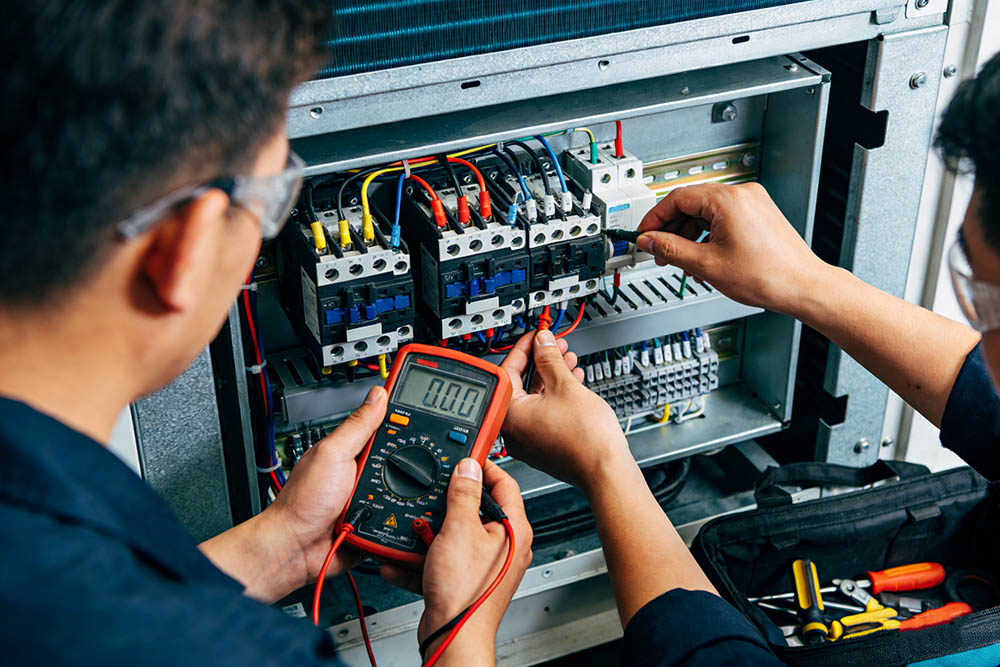
Routine inspection and timely replacement help maintain steady performance and reduce the risk of unexpected breakdowns.
If you are looking for reliable AC contactors for HVAC or industrial applications, Kripal offers a wide range of professional contactors designed for stable switching and long service life. Kripal also provides custom solutions to meet specific system requirements. For expert advice and to select the right products for your application, contact our professional team.
Related Resources
Explore Knowledge Center >

Need a matching KRIPAL product?
Share voltage, quantity and destination. An engineer will reply with options and lead time.