Search
Knowledge Center
Can a 2 Pole Contactor Replace a 1 Pole Contactor in Your System?
Wondering if a 2 pole contactor can replace a 1 pole contactor in your system? Read KRIPAL’s guide to understand the key differences and safety considerations.
 December 26, 2025
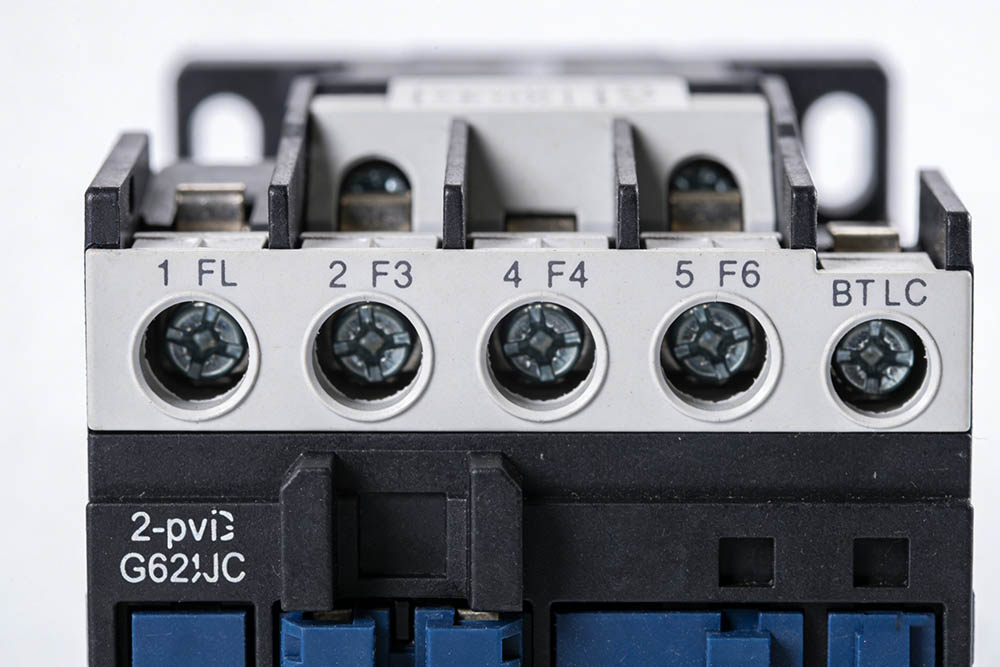
When selecting a contactor for electrical systems, one common question is whether a 2 pole contactor can replace a 1 pole contactor. Both are used to switch electrical loads, but their configurations differ. Choosing the right type affects system performance and safety.
KEY TAKEAWAYS
- Definition: A pole refers to the number of separate circuits a contactor can switch
- 1 Pole Contactors: Switch one line in a circuit
- 2 Pole Contactors: Switch two lines simultaneously
- Replacement Rule: A 2 pole contactor can often replace a 1 pole model, but not always the other way around
- Selection Tip: Match voltage, current rating, and application needs
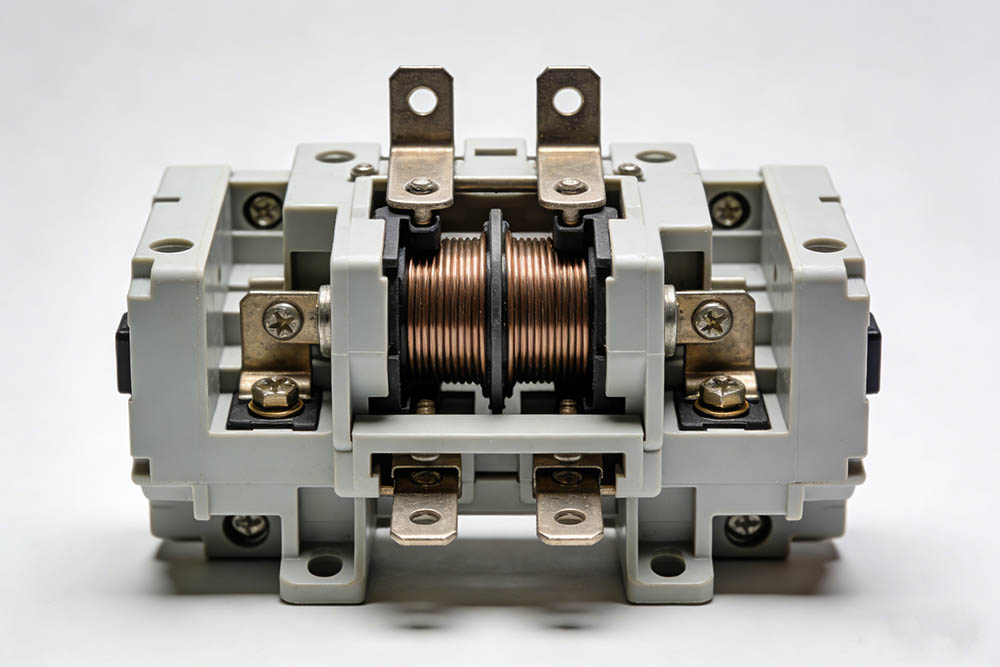
Understanding the differences helps you make better decisions when designing control panels or replacing components. If you are sourcing reliable contactors, Kripal offers a range of 1 pole and 2 pole contactors suitable for HVAC, industrial, and automation applications.
What Is a Pole in a Contactor
In contactors, a pole refers to a separate set of electrical contacts that switch a circuit path. Each pole controls one line or conductor.
- 1 Pole Contactorscontrol a single line
- 2 Pole Contactorscontrol two lines at once
In single phase systems, one pole might switch the live conductor while the neutral is handled elsewhere. In three phase systems, multiple poles switch the three phase lines.
What Is a 1 Pole Contactor
A 1 pole contactor is designed to switch only one circuit line at a time. This type is common in applications where only one side of the load needs switching.
Typical uses for 1 pole contactors:
- Single phase control circuits
- Switching the live conductor while neutral is separate
- Applications with low complexity control logic
1 pole units tend to be compact and cost effective for simple switching needs.
What Is a 2 Pole Contactor
A 2 pole contactor has two separate sets of contacts, meaning it can switch two circuit lines simultaneously.
Common scenarios for 2 pole contactors:
- Switching both live and neutral in a single phase circuit
- Handling circuits where both conductors must open together for safety
- Applications requiring simultaneous disconnection of two line.
This design offers stronger isolation and may improve safety in some systems.
Can a 2 Pole Replace a 1 Pole Contact
In many cases, the answer is yes. A 2 pole contactor can function as a 1 pole contactor by using only one of its poles. The unused pole remains inactive.
When a 2 Pole Can Replace a 1 Pole
Here are conditions where replacement works:
- Load is within the rated current of the contactor
- Control voltage matches coil requirements
- Only one line needs active switching
- The extra pole can be left unused or repurposed for auxiliary use
This approach gives future flexibility if the circuit evolves or expands.
When It May Not Be Ideal
There are a few scenarios where using a 2 pole instead of a 1 pole may not be the best choice:
- Space constraints in compact panels
- Higher cost compared to a dedicated 1 pole unit
- Extra complexity if not needed for the application
In those situations, a direct one-to-one replacement is still best served by the correct product type.
Technical Differences Between 1 Pole and 2 Pole Contactors
Below is a comparison that highlights key differences.
| Feature | 1 Pole Contactor | 2 Pole Contactor |
| Number of Poles | 1 | 2 |
| Circuits Switched | One line | Two lines |
| Typical Use | Simple circuits | Dual line switching |
| Panel Space | Smaller | Larger |
| Cost | Lower | Higher |
| Flexibility | Lower | Higher |
This table helps visualize why one might choose one over the other in different designs.
Practical Examples
Example 1: Single Line Switching
If your system only needs to switch the live line in a single-phase circuit, a 1 pole contactor is a good choice. It’s simple, easy to install, and does exactly what’s needed without adding unnecessary complexity or cost. If you’re working with a basic setup, this could be the perfect fit.
Example 2: Full Line Disconnection
In cases where safety requires both the live and neutral lines to be disconnected, a 2 pole contactor steps in. This ensures that both lines are opened at the same time, making it safer for maintenance or when you need to fully isolate the circuit. It’s an extra layer of protection, especially in systems where safety is a top priority.
Example 3: Future Expansion
If you think your system might need more control in the future or if you plan on adding extra features down the road, a 2 pole contactor offers more flexibility. It allows for easy integration of additional control logic without the need for a complete system overhaul. So, if you’re planning for growth, the 2 pole might be the better option to future-proof your design.
How to Choose Between 1 Pole and 2 Pole
Here’s the revised version with your requests:
- Match the rated current and voltage with the load. Oversizing can lead to unnecessary costs.
- Decide if both conductors need to switch together or if one is enough.
- Think about the space available in the control panel when making your choice.
- In some systems, disconnecting both lines adds an extra layer of safety.
Wiring and Installation Tips
Getting the wiring just right is what ensures everything operates smoothly and safely, so don’t rush through it! Here are some tips to keep in mind:
Single Pole Connection
Start by connecting the load line to the contactor pole. Make sure the neutral line is routed as per the design specifications. It’s essential to double-check that all connections are made properly to avoid issues later on. A small mistake can lead to operational problems, so take your time.
Two Pole Connection
For a two-pole connection, make sure to wire both conductors through the contactor. This ensures that both lines are switched at the same time, which is key for proper functioning. If one conductor is left out, you could end up with uneven power distribution or a system that doesn’t perform as expected. It might seem simple, but it’s one of those things that can make a big difference.
Coil Connections
Always check that the coil voltage matches your control supply before you start connecting it. Follow the wiring diagrams carefully to ensure everything is connected correctly. Even a small error here can cause the system to malfunction, so take a moment to verify each step.
And above all else: always turn off the power before working on any wiring. It’s easy to forget, but safety should always come first. Don’t take shortcuts, and always double-check your work!
Common Myths About Using 2 Pole Instead of 1 Pole
Myth 1: Two Pole Always Better
Not always. It depends on application needs and panel space. Using a larger contactor unnecessarily can complicate designs.
Myth 2: You Must Always Replace Like-for-Like
While like-for-like is safest, a 2 pole can replace a 1 pole in many situations if ratings match and the extra pole is handled properly.
Frequently Asked Questions
Can a 2 pole contactor improve safety
Yes. In systems that require both conductors to open, a 2 pole can ensure the entire circuit is isolated.
Will a 2 pole contactor work if I only need single line switching
Yes. You can use only one pole and leave the second unused.
Are 2 pole contactors more expensive
Typically yes, because they include more contacts and larger internal structure.
How do I know which coil voltage to choose
Match the coil voltage to your control circuit. Common voltages include 24V, 110V, and 230V.
Can I repurpose the unused pole
In some designs, the unused pole can be used for auxiliary logic or feedback signals.
Choosing the Right Contactor: 1 Pole vs 2 Pole for Your System Needs
Choosing between a 1 pole and a 2 pole contactor depends on how your circuit needs to behave and how much flexibility your system requires. In many cases a 2 pole contactor can replace a 1 pole model as long as ratings match and the extra pole is properly managed. In compact or cost-sensitive designs, a dedicated 1 pole device may still be the better choice.
If you are sourcing contactors for control panels, HVAC, industrial motors, or automation systems, Kripal offers a range of both 1 pole and 2 pole contactors with various ratings and coil voltages to fit your needs. For expert advice and to find the right products for your application, contact our professional team.
Related Resources
Explore Knowledge Center >

Need a matching KRIPAL product?
Share voltage, quantity and destination. An engineer will reply with options and lead time.