Search
Knowledge Center
Isolation Switch and Its Remarkable Functions
Learn what an isolation switch is, its key functions for electrical safety, main types like electrical and earthing switches, and how to install them correctly.
 December 15, 2025
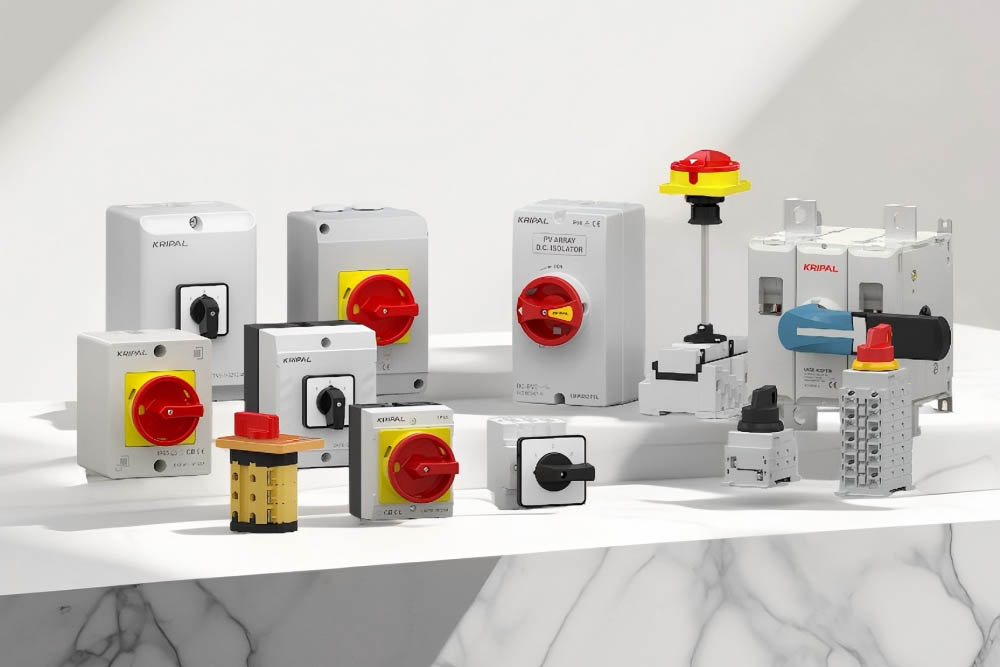
In power systems, there is a device that appears simple yet plays a highly significant part in daily operation and maintenance, which is the isolation switch. Although it does not perform arc extinguishing, it supports safe maintenance, system switching, and operational reliability. Through its opening and closing actions, it creates a protective barrier for maintenance work and provides stable support for grid operation. This article will guide you into the world of isolation switches and explain the meaningful functions they perform in power systems.
Key Takeaways
- Safety assurance: By creating a visible disconnection point, the isolation switch provides reliable electrical separation for inspection and maintenance work
- Operational support: Although it does not extinguish arcs, it contributes to circuit switching and system sectionalizing.
- Improved reliability: When it is used together with circuit breakers, overall system stability is enhanced.
- Simple structure with significant value: Even though its design is straightforward, it supports safe and standardized grid operation.
What Is an Isolation Switch
An isolation switch is a control device used in power systems to create a clearly visible disconnection point in a circuit, so that equipment and lines can remain in a safe condition during inspection or maintenance.
It is typically operated when the circuit carries no load or only a small current. Since it does not include an arc extinguishing device, it cannot interrupt normal load current. It is usually used together with a circuit breaker, which allows it to perform isolation and sectionalizing functions that support safe system operation.
How Does an Isolation Switch Work
An isolation switch operates manually or by motor to open or close contacts and isolate equipment from the power source. When opened, a visible air gap is formed, allowing clear confirmation that the circuit is disconnected.
Because it has no arc extinguishing capability, it must not be operated under load. In normal operation, the circuit breaker interrupts the current first, and the isolation switch then provides physical separation.
Main Functions of an Isolation Switch
Provides visible separation between energized and de energized parts during maintenance, improving safety. Used for line sectionalizing, busbar transfer, or standby power switching to enhance system flexibility.
Operates in sequence with circuit breakers to ensure safe disconnection and reconnection. Can switch small currents such as transformer or capacitive currents within rated limits. Offers a clear visible break so operators can easily confirm power status and reduce misoperation.
What types of disconnect switches are there?
Electrical Isolation Switch
This type is used to separate equipment or lines from the power source by creating a clearly visible disconnection point. It is typically applied before maintenance to ensure that energized parts are physically isolated.
Because it does not have arc extinguishing capability, it must be operated under no load conditions. Its primary function is to ensure electrical safety for both personnel and equipment.
Earthing Isolation Switch
After the main circuit is opened, this switch connects equipment or lines reliably to ground to release residual charges and reduce the risk of induced voltage or accidental energization. It provides additional protection during maintenance.
It is usually equipped with mechanical or electrical interlocking with the main isolation switch to prevent incorrect operation. Its primary function is to enhance safety by preventing electric shock and accidental energization.
| Type | Description | Application | Characteristics | Primary Function |
| Electrical Isolation Switch (Main Isolator) | It is used to separate equipment or lines from the power source by creating a clearly visible disconnection point. | It is applied before maintenance so that energized parts are physically isolated. | Since it has no arc extinguishing capability, it must be operated under no load conditions. | It ensures electrical safety for both personnel and equipment. |
| Earthing Isolation Switch (Earthing Switch) | After the main circuit is opened, it connects equipment or lines reliably to ground, which releases residual charges and reduces the risk of induced voltage or accidental energization. | It provides additional protection during maintenance. | It is usually equipped with mechanical or electrical interlocking with the main isolation switch, which prevents incorrect operation. | It provides dual safety protection and helps prevent electric shock and accidental energization incidents. |
Where Are Isolation Switches Used
Before transformers, circuit breakers, or busbars are serviced, isolation switches are used to separate them from energized systems so that a visible break is established. They are applied in line sectionalizing and outage maintenance, which improves supply reliability and fault handling efficiency.
When operating configurations are modified, isolation switches are used for busbar transfer or power source switching, which enhances system flexibility. They are widely installed in substations at voltage levels of 110 kV and above, where they form part of the standard high voltage arrangement.
Together with earthing switches, they provide reliable grounding after shutdown, which reduces the risk associated with induced voltage or accidental energization.
How to Install an Isolation Switch
Preparation before installation
Before installation begins, the model, voltage rating, and technical specifications should be verified so that they match design requirements. The device should be inspected for damage, and the foundation should be cleaned and leveled to provide stable support.
Foundation and support mounting
The isolation switch should be firmly mounted on a prepared foundation or steel structure with approved fasteners. During installation, alignment should be checked so that mechanical stress is evenly distributed.
Assembly and adjustment
When movable and fixed contacts are installed, phase alignment should be consistent. Contact pressure should be adjusted so that electrical conduction is reliable, and the opening stroke should be checked to ensure that a clear visible break is formed.
Operating mechanism installation and commissioning
The manual or motor driven mechanism should be installed according to design specifications, and linkages should be adjusted so that opening and closing actions are smooth and synchronized. Interlocking devices should be tested to prevent incorrect operation.
Electrical connection and grounding
Busbars and conductors should be connected in accordance with standards, and contact surfaces should be clean and secure. The metal frame and enclosure should be reliably grounded.
Inspection and trial operation
After installation, multiple opening and closing tests should be carried out. Contact resistance and insulation performance should be measured before the switch is placed into service.
How to Maintain an Isolation Switch
The switch should be checked regularly for corrosion, deformation, cracks, or damaged insulators. In outdoor environments, contamination and bird activity should also be monitored. Insulators and conductive parts should be cleaned periodically, especially in areas with heavy pollution, so that insulation performance remains stable.
Movable and fixed contacts should be examined for tightness, oxidation, or burning. If required, they should be polished or replaced, and contact resistance should be measured. Moving parts such as shafts and linkages should be lubricated to ensure smooth operation, and fasteners should be checked for tightness.
Mechanical and electrical interlocks should be tested to confirm proper function, and any abnormalities should be corrected promptly. Opening and closing operations should be performed under safe conditions at regular intervals so that reliable performance is maintained.
Conclusion
Although the isolation switch has a simple structure, it provides reliable electrical separation within power systems. When it is installed and maintained properly, it supports safe maintenance activities and stable system operation.
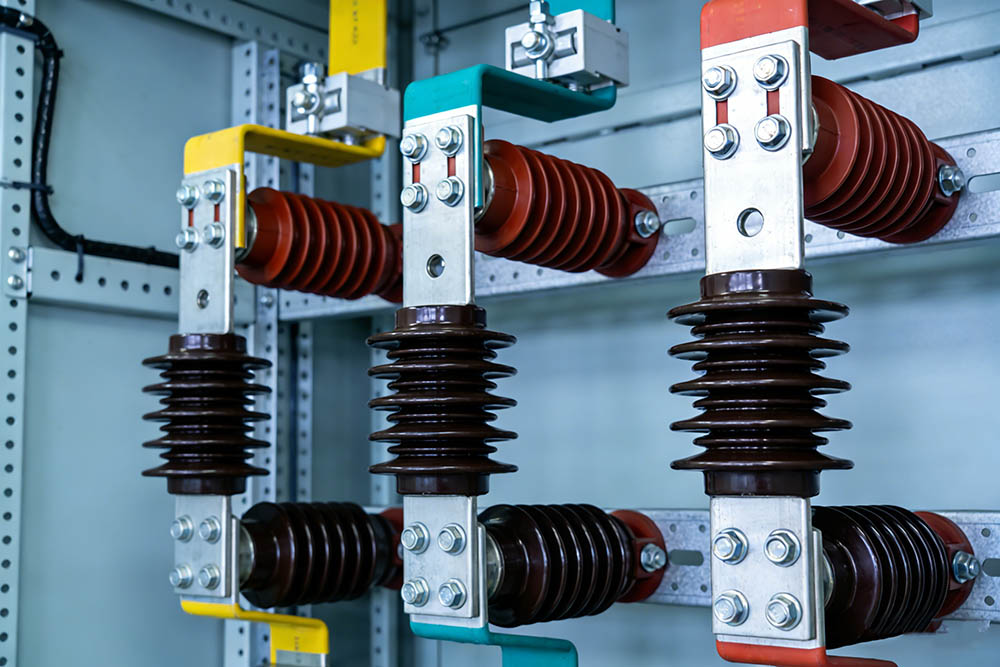
KRIPAL offers a wide range of isolation switches that can address various application needs. Contact our team for professional support in choosing the most suitable solution.
FAQs
Q: Can an isolation switch be operated under load
No. Since it does not have arc extinguishing capability, it must be operated without load or with only a small current, and the circuit breaker should interrupt the load current first.
Q: What is the difference between an isolation switch and a circuit breaker
A circuit breaker can interrupt load and fault currents because it includes arc control capability, while an isolation switch is used to create a visible disconnection point for electrical separation.
Q: Why does an isolation switch require a visible break
A visible break allows operators to confirm that equipment has been separated from the power source, which improves maintenance safety.
Q: Does an isolation switch require regular maintenance
Yes. When contacts, insulators, and operating mechanisms are inspected and serviced regularly, reliable performance and longer service life can be achieved.
Q: What is the function of an earthing isolation switch
After the main circuit is opened, it connects equipment to ground so that residual charges are released and the risk of induced voltage or accidental energization is reduced.
Related Resources
Explore Knowledge Center >

Need a matching KRIPAL product?
Share voltage, quantity and destination. An engineer will reply with options and lead time.