Search
 November 07, 2025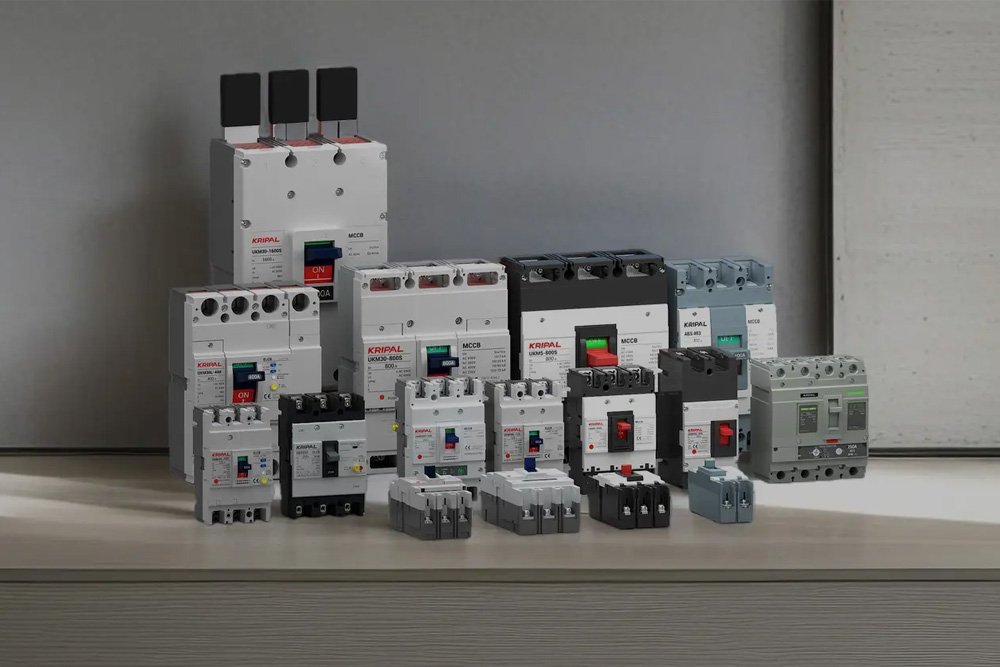
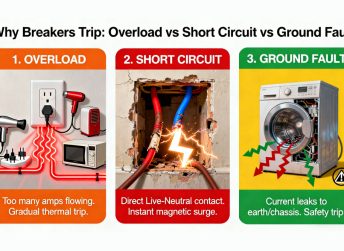
If you work with electrical wiring or systems at home, in a building, or in an industrial setting, you may need to understand what a circuit breaker does and how it operates. A circuit breaker interrupts current flow when there is an overload or a short circuit.
It safeguards wiring, connected equipment and loads from damage caused by excessive current or fault conditions. It also lets you manually switch circuits on or off when needed.
Role of a Circuit Breaker
Electricity inside wires flows like water through pipes. Under normal load the current is stable and safe. When the load increases beyond what the circuit is rated for, or when a fault appears, the current may surge. That surge can overheat wires or damage machines and devices.
A circuit breaker senses the overcurrent or fault and opens the circuit. Once the current stops, the risk subsides. After the abnormal condition is cleared, you can reset the breaker to resume power flow.
Unlike a fuse that melts and must be replaced after a fault, a circuit breaker can be reset by flipping its switch. This makes maintenance easier and reduces downtime when problems occur.
Internal Working Mechanism
Most modern breakers rely on a combination of two protection mechanisms: thermal protection and magnetic protection.
What is thermal protection
The thermal part handles slow‑building overloads. Inside the breaker a bimetallic strip bends as it heats up when current stays above normal for a period. Once it bends to a certain point, it releases a latch inside and the breaker trips, opening the circuit. This protects circuits that experience prolonged mild overcurrent — for example, when many devices draw power together over time.
What is magnetic protection
The magnetic protection responds to sudden surges or short circuits. A surge causes a rapid spike in current, creating a strong magnetic field inside a coil. That field moves an armature, triggering a fast trip that opens the circuit nearly instantaneously. This rapid response helps prevent damage from high‑current faults.
Because these two systems are built into one breaker, the device handles both gradual overloads and abrupt surges effectively. Inside the breaker you’ll also find contacts that close or open the circuit, a mechanism to extinguish any arc formed when contacts separate, and a manual or automatic operating mechanism to allow switching under normal conditions.
Main Types of Circuit Breakers and Typical Uses
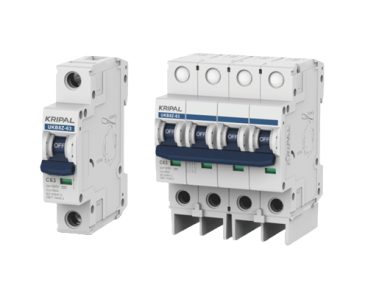
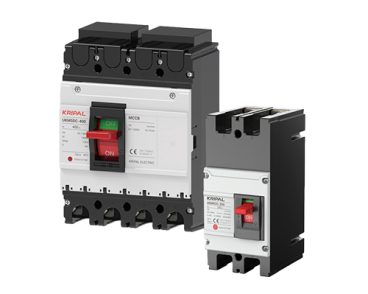
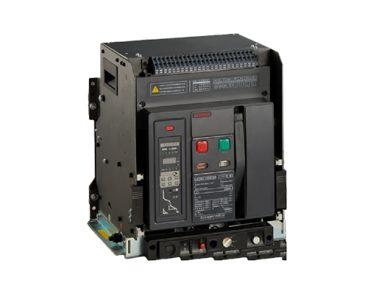
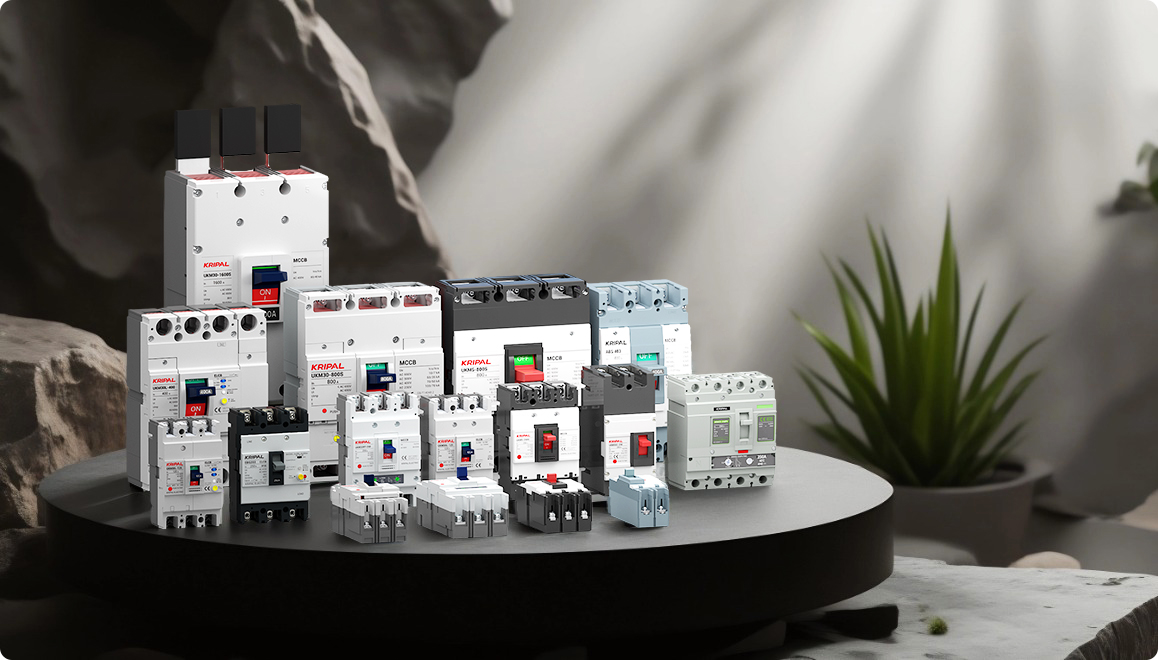
Different types of circuit breakers serve different roles depending on load size, voltage, and application environment. The common types include: